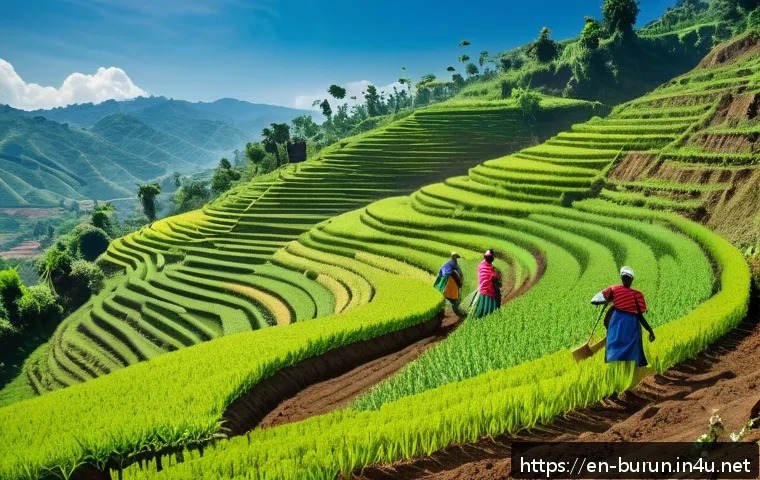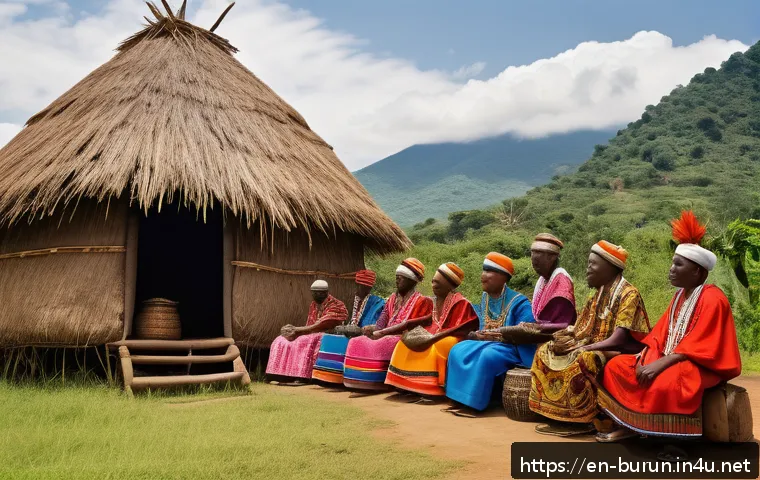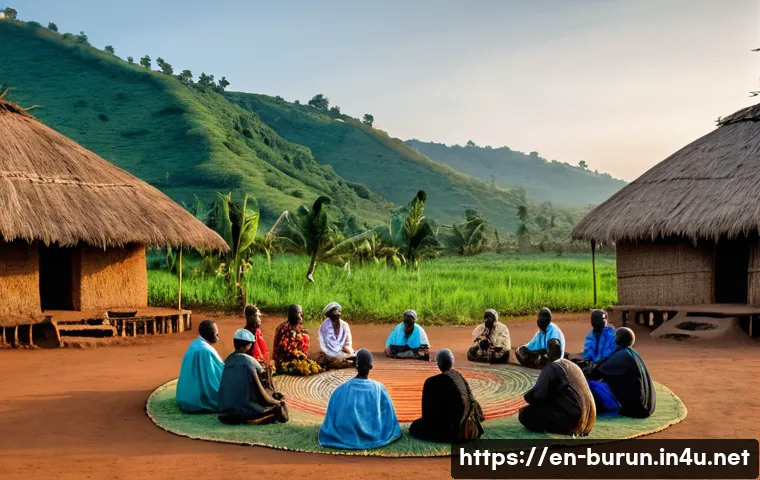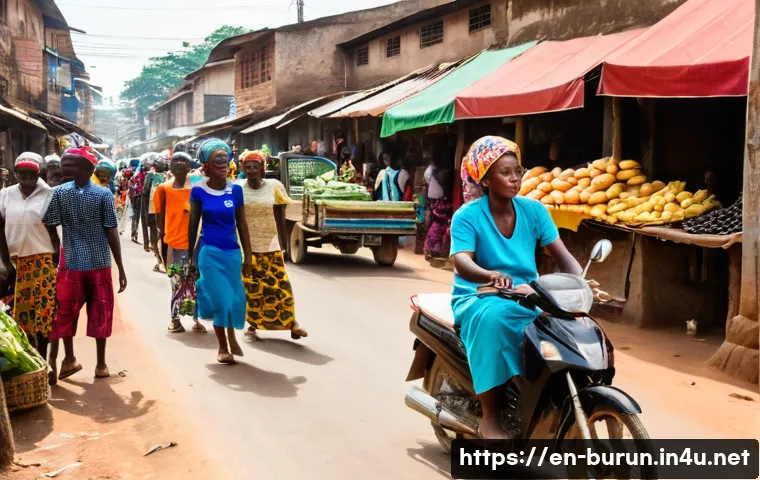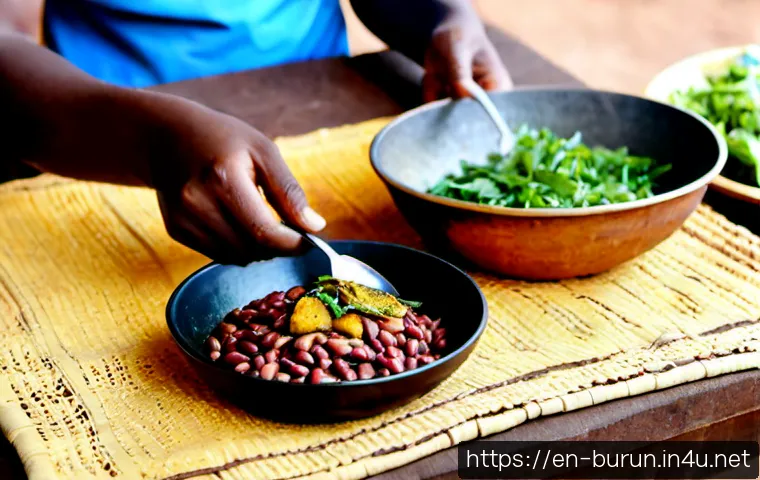
Discover common foods to look for in Burundi, from beans and cassava to Lake Tanganyika fish and grilled brochettes. Learn where each dish is usually found, what to ask before ordering, and how to choose restaurants or food tours with confidence.
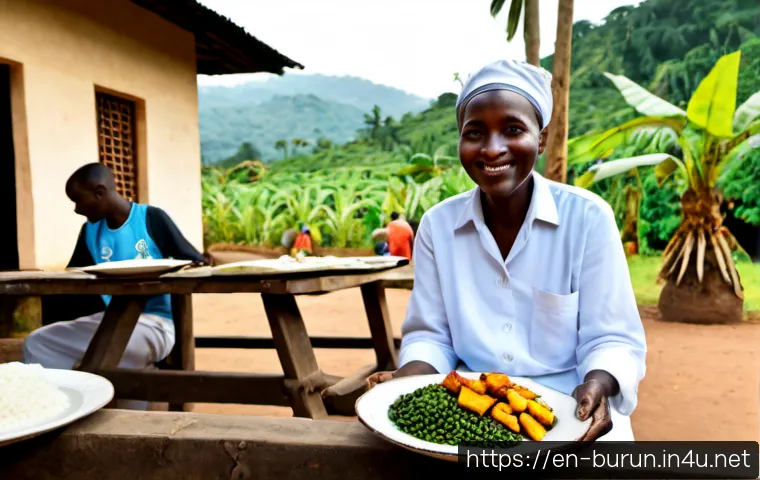
For a first meal in Burundi, choose a simple plate built around beans, cassava, plantains, or cooked greens. If you prefer a familiar option, grilled brochettes are a practical choice; fish lovers should look for Lake Tanganyika fish when the day’s freshness and preparation are clearly explained.
The best place to eat depends on how much menu clarity, comfort, and local context you want. A neighborhood restaurant can be a good middle ground, while a hotel restaurant, restaurant reservation, local guide, or small-group food tour may suit travelers who want more help with ordering.
Prices are usually discussed in Burundian francs (BIF), although some tourism-oriented businesses may mention another currency. Ask before ordering, because portions, ingredients, availability, and payment options can differ widely.
At a Glance
- Best first taste: a starch-based plate with beans, vegetables, cassava, plantains, or sweet potatoes.
- Best familiar choice: grilled brochettes, especially when you want a simple shared meal.
- Best choice for fish lovers: Lake Tanganyika fish, including mukeke when it is available and preparation is clear.
| Dining Option | Comfort and Setting | Menu Clarity | Cost Planning | What to Check First |
|---|---|---|---|---|
| Street stall | Quick and informal | May be limited or verbal | Ask for the total in BIF before ordering | Whether food is cooked hot and how long it will take |
| Neighborhood restaurant | Usually more time to sit and order | May offer more explanation than a stall | Confirm portion size, side dishes, and payment before ordering | Daily availability, especially for fish and grilled items |
| Hotel restaurant | Often a more familiar dining environment | May be easier to discuss preferences | Ask which currency is accepted and how the final price is stated | Whether local dishes are available that day |
| Guided food tour or local guide | More support and local context | A guide may help explain dishes and ordering | Review what is included and what is paid separately | Group size, dietary discussion, stops, and current arrangements |
What First-Time Visitors Should Eat in Burundi
Burundian everyday food often starts with a straightforward formula: a filling starch side plus beans, vegetables, fish, or grilled meat. This makes local meals approachable for first-time visitors because you can begin with familiar ingredients and add more variety as you go. Availability can change by neighborhood, season, and venue, so treat menus and verbal recommendations as a guide rather than a promise.
Start with beans, cassava, plantains, and cooked greens
Beans, cassava, sweet potatoes, plantains, and maize are widely used staples in Burundi. A plate centered on beans and a starch is often a sensible starting point if you want an everyday-style meal without immediately choosing meat or fish. Cooked greens or other vegetables can add balance to the plate.
When ordering, ask what is included with the main dish. One venue may describe beans as the main item, while another may serve them alongside cassava, plantains, or another starch. Clarifying the side dishes and portion size helps you order enough without making assumptions.
Choose grilled brochettes for a familiar, shareable option
Brochettes are skewered grilled meat and are common in many East African dining settings, including Burundi. They can be a good option when you want something recognizable, easy to share, and simple to pair with a starch-based side. They may work especially well for groups where people have different comfort levels with unfamiliar dishes.
Ask which meat is being served, whether the brochettes are cooked to order, and what comes with them. Do not assume that every vendor offers the same style, portion, seasoning, or side dish. If spice level matters to you, ask before the food is prepared rather than relying on a menu description.
Try Lake Tanganyika fish when freshness and preparation are clear
Lake Tanganyika supports local fishing, and freshwater fish can be found in lakeside dining areas. Mukeke is associated with Lake Tanganyika and may appear on menus around Bujumbura and other lakeside locations. For travelers interested in regional food, this can be one of the most distinctive choices to look for.
Fish is best approached as a question-based order: ask what fish is available today, how it will be cooked, how long preparation may take, and what will be served alongside it. Freshness, availability, and preparation vary by venue, so a menu listing alone does not confirm the source or condition of the fish.
Compare Dining Options by Comfort, Cost, and Local Experience
There is no single “best” place to try Burundian food. The right choice depends on whether you prioritize speed, a comfortable setting, an easy explanation of ingredients, or local context. Use the dining format as a decision tool, not as a guarantee of food quality, hygiene, or value.
Street stalls versus neighborhood restaurants
A street stall may suit a quick meal and a more direct view of food being grilled or cooked. A neighborhood restaurant may give you more time to ask about ingredients, portions, and side dishes. Neither format automatically tells you how fresh the food is or whether it matches your dietary needs.
For a simple lunch, look for a busy place where food is actively prepared and served hot. Before you commit, ask the price in Burundian francs, whether the stated amount includes the full plate, and whether your preferred item is available now. This is more useful than assuming that a particular type of venue will always be cheaper.
Hotel dining versus independent local eateries
Hotel dining can be useful when you want a more familiar setting or need time to discuss a food preference. Independent local eateries may offer a closer look at everyday dining patterns and local ingredients. In both cases, menu wording, service style, and payment methods can differ.
If a local dish is your priority, ask directly whether beans, cassava, plantains, brochettes, or Lake Tanganyika fish are available that day. If clear communication is your priority, choose the venue where staff can answer your practical questions before the order is placed. Comfort is not the same as certainty, so still confirm ingredients, prices, and preparation.
When a food tour or local guide may be worth the added cost
A local guide or small-group food tour may be worth considering if you want help navigating menu language, finding everyday foods, or understanding what is being served. It can also be useful for travelers who prefer to ask dietary questions through someone familiar with the area.
Before booking, compare the itinerary, group size, food stops, and what is included. Ask whether the experience can discuss your dietary needs, but do not assume it can prevent cross-contact or guarantee specific ingredients. For restaurant reservations, local guides, or small-group food tours, check the current details on the relevant booking or official information page before making plans.
How to Order Local Food With Fewer Surprises
A few short questions can make ordering much easier. They are useful at a street stall, a local restaurant, a hotel dining room, or during a guided tasting. The goal is not to overcomplicate the meal; it is to confirm the details that matter to you.
Ask how the dish is prepared and how large the portion is
Ask whether the meal is grilled, fried, boiled, or served with a sauce. Ask what starch and vegetables come with it, and whether the portion is intended for one person or is easy to share. This matters for brochettes and fish dishes as much as for plates built around beans and cassava.
Preparation time is also worth checking, particularly for grilled meat or fish. A simple question about how long the dish will take can help you decide between a quick lunch and a relaxed meal.
Confirm meat, fish, spice, and dietary preferences
Do not assume that a dish is vegetarian simply because it contains beans or vegetables. Ask whether meat, fish, cooking oil, sauce, or other ingredients are involved. If you avoid a certain food, make the request before preparation begins.
For fish, ask what is available rather than assuming mukeke will be on the menu. For spice, ask whether the dish is spicy and whether it can be adjusted. Individual ingredients and cross-contact risks require direct confirmation at the venue.
Understand prices and payment before ordering
Burundi uses the Burundian franc, or BIF. Some tourism-oriented businesses may discuss prices in other currencies, but you should confirm how the final amount will be calculated and paid. Food prices, portions, and payment methods can vary by venue type and location.
Useful questions include: “What is the total price?” “Is the side dish included?” “What currency do you accept?” and “Can I pay after the meal?” Avoid building a dining budget around fixed online prices, because current amounts need to be checked locally.
Food Safety and Common Traveler Mistakes

Food decisions are personal, but basic observation can help you make a more informed choice. A careful approach is especially useful when you are trying local food for the first time or eating between travel stops.
Choose busy vendors with food cooked hot to order
A busy vendor can indicate that food is moving through the cooking area rather than sitting untouched for a long period. When possible, choose food that is being cooked hot and served soon after preparation. This is a practical observation, not a guarantee of safety.
For brochettes, look at how the grilling process is handled and ask whether the skewer is being prepared now. For fish, ask about the day’s availability and cooking method before ordering.
Be careful with water, ice, raw produce, and long-held foods
Water, ice, raw produce, and foods that appear to have been held for a long time deserve extra attention from cautious travelers. If these points matter to you, ask what you can and choose a meal that is cooked and served hot. Do not assume filtered water, a particular ice source, or a specific hygiene procedure without confirmation from the vendor or restaurant.
Avoid assuming every “local special” is available every day
Local foods depend on supply, season, and the venue’s own menu. Mukeke may appear around Bujumbura and other lakeside locations, but it should not be treated as a guaranteed daily item. The same applies to specific vegetables, grilled meats, and side dishes.
Have a flexible backup choice: beans with cassava or plantains, cooked greens, or brochettes can be easier starting points when a particular fish dish is unavailable. Flexibility usually leads to a better meal than chasing one exact menu item.
Best Choices for Different Travel Situations
The most suitable meal is often shaped by your schedule and comfort level. Match the dish and venue to the kind of meal you actually need, rather than trying to sample everything at once.
A quick lunch between sightseeing stops
For a short meal break, a simple plate of beans with cassava, plantains, sweet potatoes, or maize can be easier to understand and order. Brochettes may also suit a quick stop if they are available and preparation time works for your schedule. Confirm the total in BIF before ordering and ask whether the food can be served promptly.
A relaxed lakeside fish meal
If your schedule allows for a slower meal, lakeside dining areas may be the place to ask about freshwater fish from Lake Tanganyika. Ask what fish is available, how it is prepared, what sides are included, and how long it will take. This is the right setting to consider mukeke if it is on offer, but availability should always be confirmed that day.
Options for cautious eaters, groups, and dietary restrictions
Cautious eaters may prefer cooked beans, familiar starches, cooked vegetables, and grilled foods with clear preparation. Groups can order a mix of starch-based sides, beans, vegetables, brochettes, and fish where available, then share according to individual preferences.
For dietary restrictions, choose the venue that can clearly answer questions before cooking begins. A hotel restaurant, a patient neighborhood restaurant, or a guide-assisted meal may make communication easier, but none should be assumed to guarantee ingredients or prevent cross-contact.
Choosing Where to Eat: A Practical Comparison Summary
Use these checks just before choosing a restaurant, stall, reservation, or guided food experience:
- Choose an everyday local meal when you want beans, cassava, plantains, sweet potatoes, maize, or cooked greens in a straightforward format.
- Choose a neighborhood restaurant or hotel setting when clear questions about ingredients, portions, preparation time, and payment matter most.
- Choose lakeside dining when Lake Tanganyika fish is your priority and you have time to confirm daily availability.
- Choose brochettes when you want a familiar grilled option that can work well for sharing.
- Choose a local guide or small-group food tour when cultural context and help with ordering are worth the additional planning.
Before booking a restaurant reservation, local guide, or small-group food tour, compare current inclusions, meeting details, dietary communication, and payment terms on the relevant page.
Closing Thoughts
Burundi’s everyday foods are often built around satisfying staples, especially beans, cassava, plantains, sweet potatoes, maize, and vegetables. Start with a simple plate if you are new to the cuisine, then add brochettes or Lake Tanganyika fish when the menu and preparation are clear. Asking a few direct questions about ingredients, portions, price, and cooking time can make the experience more relaxed. The best meal is not necessarily the most elaborate one; it is the one that fits your appetite, schedule, and comfort level.
Useful Things to Know
Currency: Burundi uses the Burundian franc (BIF), though some tourism-oriented businesses may mention prices in another currency.
Menu flexibility: Food availability, wording, serving sizes, and prices may change by season, neighborhood, and venue type.
Easy ordering phrase: Ask what comes with the dish, how it is prepared, how long it will take, and what the total cost will be.
Fish planning: Ask what freshwater fish is available that day instead of assuming a particular Lake Tanganyika fish will be offered.
Important Notes
Current prices, opening hours, payment methods, service quality, food sources, water treatment, and hygiene practices must be checked directly with each venue. A menu item does not confirm that fish is freshly sourced, that a dish meets a dietary need, or that a restaurant can avoid cross-contact. Food tours and local guides can provide helpful context, but their current routes, inclusions, and suitability for individual needs should be confirmed before booking.
Frequently Asked Questions
Q1. What are the best Burundian foods for a first-time visitor to try?
A1. Start with beans served alongside cassava, plantains, sweet potatoes, maize, or cooked greens. Brochettes are a practical next choice if you prefer grilled meat. If you are near Lake Tanganyika and the day’s preparation is clear, ask whether mukeke or another freshwater fish is available.
Q2. Is it better to try local food at a street stall, restaurant, or guided food tour in Burundi?
A2. It depends on your priorities. A street stall may suit a quick, informal meal; a neighborhood restaurant can offer more time for questions; hotel dining may feel more familiar; and a guided food tour or local guide may add help with ordering and cultural context. Compare current conditions, inclusions, and communication before choosing.
Q3. How can travelers check food safety and prices before ordering in Burundi?
A3. Look for food that is actively being cooked and served hot, then ask how the meal is prepared, what ingredients are included, and how long it has been available. Confirm the full price in BIF, whether sides are included, and which payment method is accepted before ordering. For water, ice, raw produce, and dietary concerns, ask the venue directly rather than assuming.