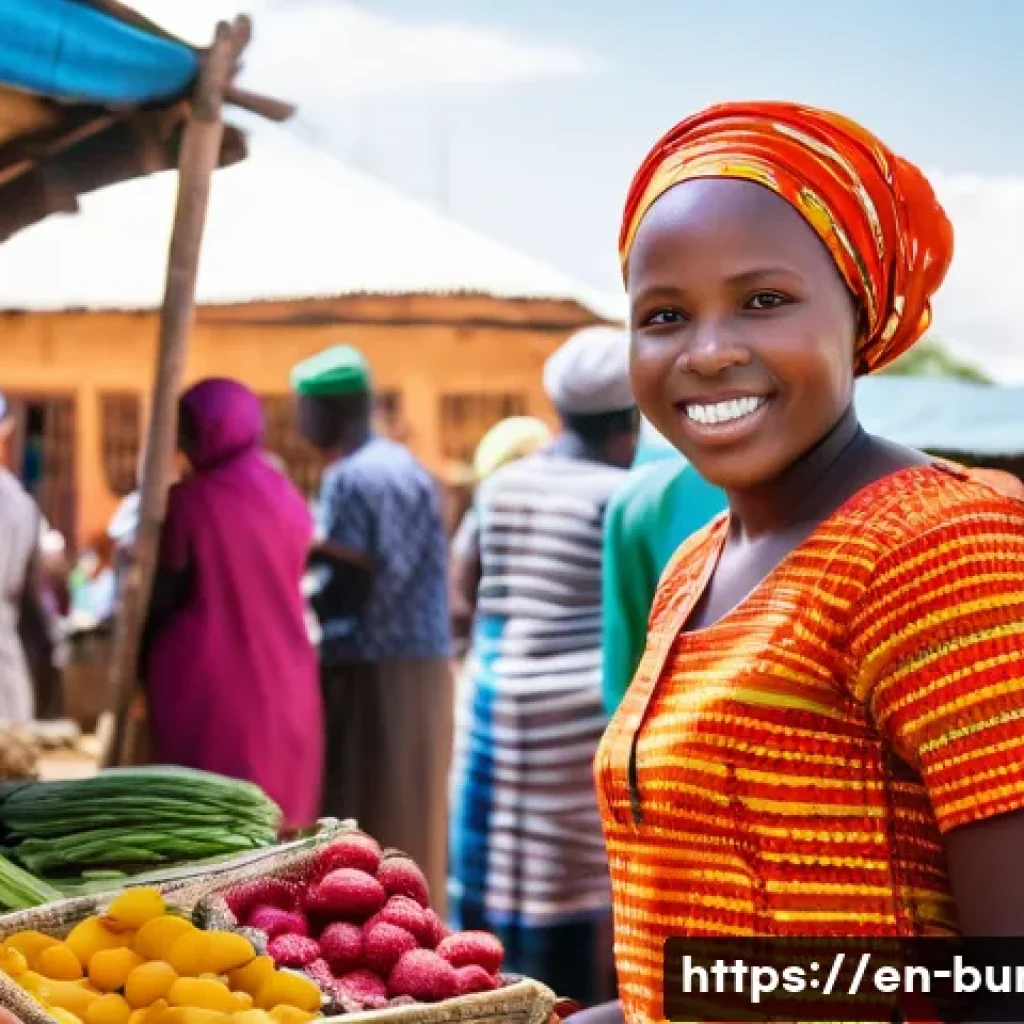
In Burundi, women play a vital role that extends far beyond traditional expectations. They are pillars of their families and communities, often balancing multiple responsibilities from household management to agricultural work.
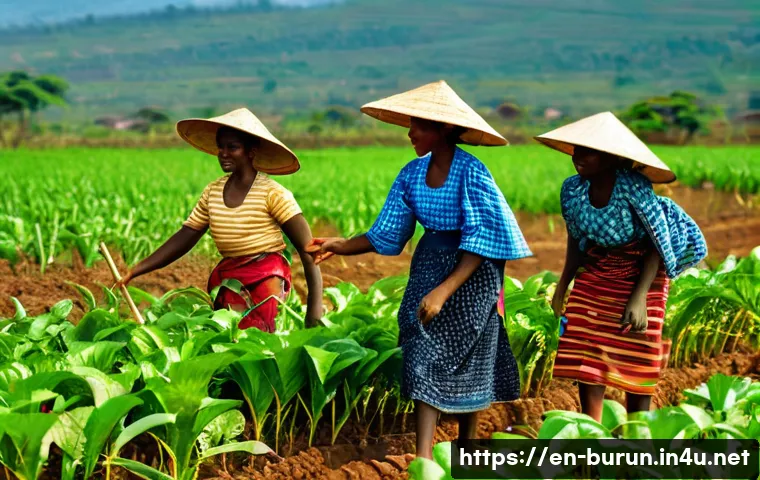
Despite facing significant social and economic challenges, Burundian women continue to drive progress and resilience within their society. Their contributions to education, entrepreneurship, and peacebuilding are increasingly recognized on both local and international stages.
Understanding these dynamics sheds light on the broader cultural and economic fabric of Burundi. Let’s dive deeper and explore the essential roles Burundian women hold in shaping their nation.
Economic Empowerment and Entrepreneurship
Women as Small Business Leaders
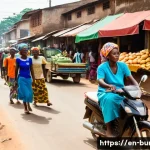
Many Burundian women have taken the initiative to start small businesses, ranging from local markets to artisanal crafts. These ventures are often born out of necessity, especially in rural areas where formal employment opportunities are scarce.
From my conversations with women entrepreneurs, I’ve learned that their businesses not only provide income but also foster independence and community respect.
Managing a business while juggling family duties requires remarkable resilience and time management skills. Their success stories inspire others to follow suit, gradually shifting gender norms around economic roles.
Agricultural Contributions and Innovations
Agriculture remains the backbone of Burundi’s economy, and women are deeply involved in cultivating crops, tending livestock, and implementing sustainable farming practices.
I’ve seen firsthand how women innovate by using organic fertilizers or crop rotation to improve yields despite limited resources. Their work ensures food security for families and generates surplus for sale at local markets.
The physical demands are intense, yet women persist, often working from dawn to dusk. This agricultural labor is crucial, yet frequently undervalued in formal economic statistics.
Financial Inclusion Challenges and Opportunities
Access to credit and financial services remains a significant hurdle for many women, limiting their ability to expand businesses or invest in better tools.
Microfinance institutions have started targeting women, offering small loans with manageable interest rates. From what I’ve observed, women who engage with these programs show increased confidence and improved household welfare.
However, cultural barriers and lack of collateral still pose obstacles. Programs combining financial literacy with credit access tend to be more successful in empowering women economically.
Leadership in Education and Community Development
Championing Girls’ Education
Burundian women are often at the forefront of advocating for girls’ education, recognizing it as a pathway to breaking cycles of poverty. Mothers and female community leaders encourage school attendance and help navigate social barriers that might otherwise keep girls at home.
In communities I visited, women-led groups organize tutoring sessions and provide school supplies, stepping in where government support is limited. Their efforts have led to noticeable improvements in girls’ enrollment and retention rates, though challenges remain in rural regions.
Mentoring the Next Generation
Many women act as mentors, guiding young girls and women through personal development and career choices. This mentorship often happens informally but has a profound impact on aspirations and confidence.
I recall meeting a young woman who credited a local female mentor for helping her pursue a university degree despite initial doubts. Such relationships foster a supportive environment that nurtures future leaders, expanding the influence of women beyond their immediate families.
Community Health Advocacy
Women frequently serve as health advocates, educating families about nutrition, hygiene, and maternal care. Their role is vital in improving public health outcomes, especially in remote areas where medical facilities are scarce.
Women volunteers often organize workshops and home visits, sharing knowledge that reduces preventable illnesses. From my experience, these grassroots efforts are sometimes the only reliable source of health education available, highlighting women’s indispensable role in community well-being.
Peacebuilding and Social Cohesion
Women as Mediators in Conflict Resolution
Burundi’s history of conflict has positioned women uniquely as peacebuilders within their communities. Women often mediate disputes, leveraging their roles as mothers and community members to foster dialogue and reconciliation.
I’ve heard stories where women’s involvement in peace talks led to more sustainable agreements, as they emphasize family unity and long-term harmony over short-term gains.
Their empathetic approach helps heal divisions that traditional political processes sometimes overlook.
Promoting Gender Equality Through Dialogue
Women’s groups actively work to challenge gender stereotypes and advocate for equal rights, often organizing forums and cultural events that promote understanding and respect.
These dialogues contribute to shifting public attitudes and encouraging men to support women’s empowerment. From what I’ve witnessed, such initiatives create safe spaces for discussing sensitive issues like domestic violence and access to education, which are critical for social progress.
Building Networks Across Communities
Women frequently form networks that span villages and regions, sharing resources, knowledge, and support. These connections amplify their influence, enabling coordinated action on issues like economic development and peacebuilding.
I found that these networks also provide emotional support, helping women cope with the stresses of their multifaceted roles. This collective strength is a powerful force for change in Burundi’s social fabric.
Household Management and Family Care
Balancing Multiple Responsibilities
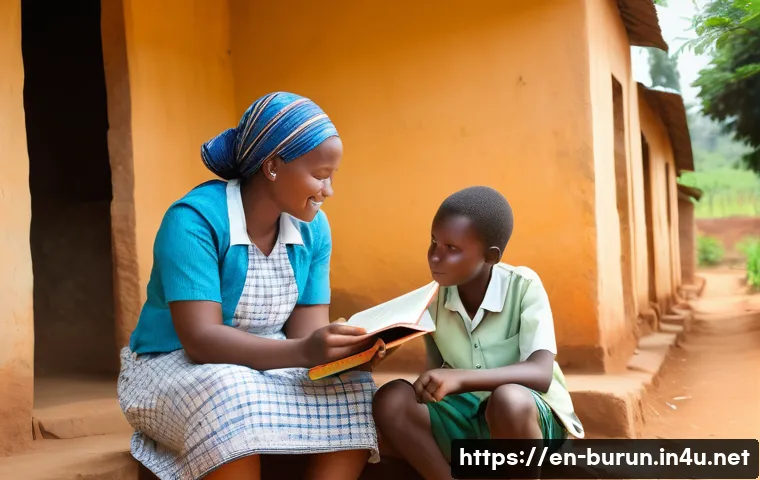
Burundian women often carry the heavy burden of managing household chores, childcare, and eldercare alongside external work commitments. I’ve been struck by how many women start their day before sunrise and only rest after nightfall, seamlessly transitioning between roles.
This multitasking requires incredible stamina and organizational skills, often under challenging conditions such as limited access to clean water or electricity.
Nutrition and Child Development
Women take primary responsibility for preparing meals and ensuring proper nutrition, directly influencing children’s health and growth. In my conversations, mothers expressed concerns about food availability and diversity, but also shared creative ways to maximize limited resources.
Their knowledge of local foods and traditional recipes plays a key role in sustaining family well-being despite economic hardships.
Education Within the Home
Beyond formal schooling, women invest time teaching children life skills, cultural values, and basic literacy. This informal education shapes children’s character and readiness for school.
I was impressed by how mothers incorporate storytelling, songs, and practical lessons into daily routines, fostering a love for learning that extends beyond the classroom.
Challenges and Pathways to Greater Inclusion
Addressing Social Barriers
Despite their critical roles, Burundian women face entrenched social barriers such as early marriage, limited inheritance rights, and gender-based violence.
I’ve heard firsthand accounts of women struggling against these norms while trying to pursue education or business opportunities. Community sensitization and legal reforms are slowly making a difference, but progress requires persistent effort and support.
Expanding Access to Resources
Access to land, education, and technology remains uneven, limiting women’s ability to fully participate in economic and social life. Programs that prioritize women’s access to these resources show promising results.
For example, agricultural training targeted at women leads to higher productivity and income. I’ve observed that when women gain access to tools and knowledge, their confidence and community status rise significantly.
Strengthening Policy and Institutional Support
Government and NGOs have started implementing policies aimed at gender equality, but implementation gaps remain. Women activists emphasize the need for stronger enforcement and better coordination among stakeholders.
From my perspective, involving women directly in policy design and monitoring enhances relevance and effectiveness, ensuring that interventions truly meet their needs.
Summary of Key Roles and Impact
| Area | Role of Women | Impact on Society |
|---|---|---|
| Economic | Entrepreneurs, farmers, financial participants | Income generation, food security, economic resilience |
| Education | Advocates, mentors, informal educators | Increased literacy, empowerment of girls, community upliftment |
| Peacebuilding | Mediators, advocates for equality, network builders | Conflict resolution, social harmony, gender rights awareness |
| Household | Managers, caregivers, nutrition providers | Family health, child development, cultural transmission |
| Challenges | Facing social barriers, limited access to resources | Ongoing need for reform, empowerment, and inclusion |
글을 마치며
Women in Burundi play a pivotal role across economic, educational, social, and family spheres, often overcoming significant challenges with resilience and innovation. Their contributions not only uplift their communities but also pave the way for greater gender equality and social cohesion. Recognizing and supporting these efforts is essential for sustainable development and lasting change. As we continue to highlight their stories, it becomes clear that empowering women benefits society as a whole.
알아두면 쓸모 있는 정보
1. Microfinance programs that combine credit access with financial literacy training tend to be most effective in empowering women economically.
2. Women’s informal mentorship and community-led educational initiatives significantly improve girls’ school enrollment and retention.
3. Agricultural innovations by women, such as organic fertilization and crop rotation, enhance food security despite resource constraints.
4. Women’s networks across villages are crucial for sharing resources and emotional support, strengthening community resilience.
5. Addressing social barriers like early marriage and gender-based violence requires ongoing community sensitization and legal reforms.
중요 사항 정리
Women’s leadership in Burundi spans economic ventures, education advocacy, peacebuilding, and family care, demonstrating remarkable multitasking and commitment. Despite facing cultural and structural obstacles, their perseverance fosters progress in gender equality and community well-being. Strengthening access to resources, financial services, and inclusive policies is vital to amplify their impact. Supporting these women not only transforms individual lives but also strengthens the social and economic fabric of their communities for the future.
Frequently Asked Questions (FAQ) 📖
Q: What are the main challenges Burundian women face in their daily lives?
A: Burundian women often confront a mix of social and economic hurdles. Many juggle household duties alongside demanding agricultural work, all while navigating limited access to education and healthcare.
Traditional gender roles can restrict their opportunities, and economic instability in the region adds another layer of difficulty. Despite these obstacles, their resilience shines through as they find creative ways to support their families and communities.
Q: How do Burundian women contribute to education and entrepreneurship?
A: Women in Burundi are increasingly stepping into roles as educators and business owners. Many take charge of educating their children at home and actively participate in community learning initiatives.
On the entrepreneurial front, women run small businesses ranging from local markets to craft production, which not only boosts their families’ income but also strengthens the local economy.
Their efforts are gradually gaining recognition, fostering greater gender equality and economic empowerment.
Q: In what ways are Burundian women involved in peacebuilding and community development?
A: Burundian women play a crucial role in peacebuilding by mediating conflicts and promoting dialogue within their communities. They are often the backbone of grassroots organizations focused on social cohesion and reconciliation.
Through their leadership, women help create safer, more inclusive environments where development can take root. Their unique perspective and dedication make them indispensable agents of positive change in Burundi’s ongoing journey toward stability.