In a world where emerging leaders continuously redefine their countries’ paths, Burundi’s story stands out with remarkable figures whose visions have shaped its future.

As global attention turns toward African nations making strides in development and governance, understanding the influencers behind Burundi’s progress becomes even more vital.
Join me as we explore the lives and legacies of those who have left an indelible mark on this vibrant nation. Their journeys offer not only inspiration but also valuable insights into the challenges and triumphs that have defined Burundi’s evolution.
Stay with me to uncover the stories that often go untold but are crucial to grasping the country’s current and future landscape.
Visionaries Steering Burundi’s Socioeconomic Renaissance
Championing Agricultural Innovation for Food Security
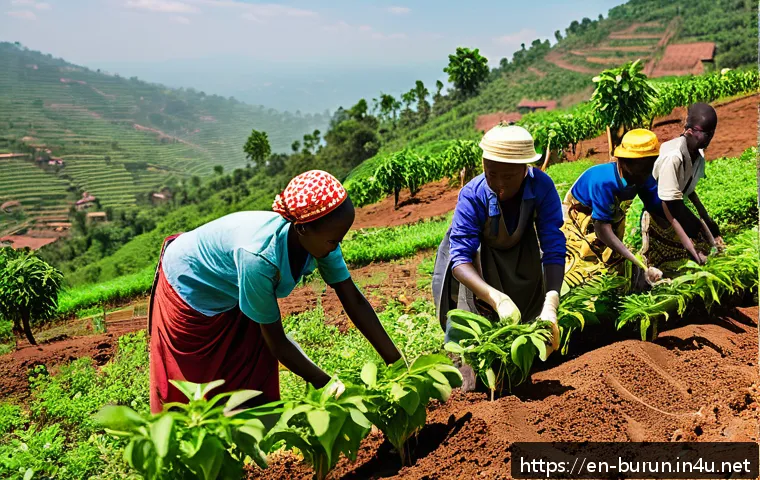
Burundi’s economy remains heavily dependent on agriculture, with the majority of its population engaged in farming. Over the past decade, a group of forward-thinking leaders and experts have spearheaded initiatives to modernize agricultural practices.
Their work isn’t just about increasing crop yields; it’s about creating sustainable systems that protect the environment while boosting farmers’ incomes.
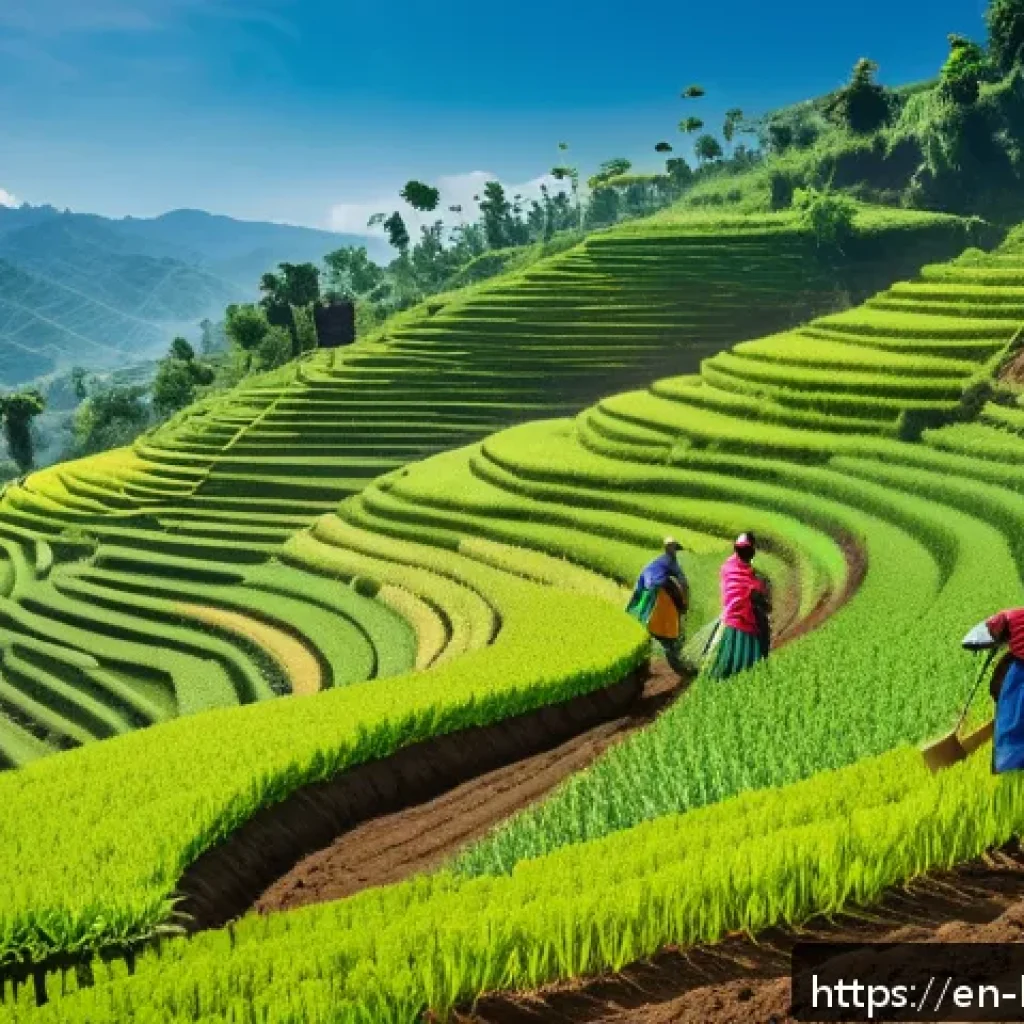
For instance, adopting terracing methods on steep hillsides has significantly reduced soil erosion, a major problem in Burundi’s terrain. Additionally, these pioneers have facilitated access to improved seed varieties and training on pest management.
From my conversations with local farmers, it’s clear that these changes have transformed lives, allowing communities to break cycles of poverty and malnutrition.
The leaders’ hands-on approach and emphasis on community involvement have been crucial in ensuring that new techniques take root and thrive across rural areas.
Driving Educational Reform and Youth Empowerment
Education has long been a cornerstone for Burundi’s development ambitions, yet systemic challenges such as limited infrastructure and teacher shortages have hindered progress.
Emerging leaders have tackled these obstacles head-on by prioritizing educational reform and youth empowerment programs. Notably, they have pushed for curriculum updates that include vocational training and digital literacy, preparing young Burundians for a rapidly changing job market.
What stands out is their commitment to inclusivity—ensuring that girls and marginalized groups receive equal access to quality education. Personally, I’ve met several students who shared how scholarship initiatives and mentorship programs helped them overcome economic hardships to pursue higher education.
These stories reflect the tangible impact of policies crafted by visionary leaders who understand that investing in youth today is an investment in Burundi’s future stability and prosperity.
Fostering Regional Collaboration for Peace and Stability
Burundi’s history has been marked by periods of conflict and tension, but recent leaders have taken bold steps to promote peace and regional cooperation.
Their diplomatic efforts with neighboring countries have been instrumental in creating frameworks for conflict resolution and economic partnership. These leaders recognize that Burundi’s progress is intertwined with the stability of the Great Lakes region.
By facilitating dialogue and joint initiatives in areas such as trade, security, and infrastructure development, they have laid the groundwork for sustained peace.
From attending regional summits to engaging with grassroots peacebuilders, their approach is comprehensive and inclusive. This commitment to collaboration not only reduces the risk of conflict recurrence but also opens doors for cross-border investment and cultural exchange, enriching Burundi’s social fabric.
Architects of Economic Diversification and Growth
Promoting Entrepreneurship and Small Business Development
The drive to diversify Burundi’s economy beyond agriculture has seen visionary leaders champion entrepreneurship as a key growth engine. Recognizing that small and medium-sized enterprises (SMEs) are critical for job creation, these leaders have worked to improve access to financing, business training, and market linkages.
They have also encouraged innovation hubs and incubators that nurture startups in technology, crafts, and services. I’ve witnessed firsthand the enthusiasm of young entrepreneurs participating in these programs, many of whom have launched ventures that not only serve local needs but also tap into regional markets.
The leaders’ focus on creating an enabling environment—through regulatory reforms and infrastructure upgrades—reflects a clear understanding that economic resilience depends on a diverse and vibrant private sector.
Enhancing Infrastructure to Unlock Economic Potential
Infrastructure development is another arena where Burundi’s progressive leaders have made significant strides. Roads, energy, and telecommunications are essential for connecting producers to consumers and integrating Burundi into regional and global value chains.
These leaders have prioritized projects that address critical bottlenecks, such as improving rural road networks to facilitate the transport of goods to urban centers and ports.
Investments in renewable energy sources like hydro and solar power have also gained momentum, aiming to provide reliable electricity to businesses and households.
I recall discussions with local business owners who emphasized how improved infrastructure has lowered operating costs and expanded their market reach.
This comprehensive vision for infrastructure underscores the leaders’ strategic approach to fostering sustainable economic growth.
Table: Key Economic Initiatives and Their Impact
| Initiative | Description | Impact |
|---|---|---|
| Agricultural Modernization | Introduction of sustainable farming techniques and improved seeds | Increased yields and farmer incomes, reduced soil erosion |
| Entrepreneurship Support | Access to financing and business incubation for SMEs | Creation of jobs, diversification of economy |
| Infrastructure Upgrades | Road improvements and renewable energy projects | Enhanced market access and energy reliability |
Innovators Shaping Burundi’s Cultural and Social Identity
Preserving Heritage Through Arts and Storytelling
Burundi’s cultural identity is rich and deeply rooted in traditions passed down through generations. Contemporary cultural leaders have taken on the role of guardians and innovators, ensuring that this heritage remains vibrant while embracing modern expression.
They have promoted traditional music, dance, and crafts, while also supporting contemporary artists who address social issues through their work. Their efforts include organizing festivals and workshops that bring communities together and attract international attention.
In conversations with artists and cultural advocates, it’s evident that these leaders understand the power of culture as a tool for social cohesion and healing, especially in a country emerging from conflict.
Their dedication keeps Burundi’s stories alive and relevant to younger generations.
Advancing Gender Equality and Social Inclusion
The push for social progress in Burundi has been strongly influenced by leaders committed to gender equality and inclusion. They have implemented policies and programs that tackle barriers women and marginalized groups face in education, employment, and political participation.
These leaders often collaborate with civil society organizations to amplify voices that have historically been sidelined. I’ve encountered inspiring examples of women entrepreneurs and activists who credit supportive leadership for opening doors that once seemed locked.
These efforts not only empower individuals but also contribute to building a more equitable society where everyone can contribute to national development.
The leaders’ empathy and determination to create systemic change are palpable in the stories shared by beneficiaries.
Building Resilience Through Health and Social Services
Improving health outcomes has been a priority for Burundi’s transformative leaders, especially given the country’s challenges with infectious diseases and limited healthcare infrastructure.
They have championed expanded access to primary healthcare, maternal and child health services, and community health education. Their strategies often involve partnerships with international organizations and local health workers, ensuring that interventions are culturally sensitive and sustainable.
From my visits to rural clinics, I observed how these improvements have saved lives and enhanced well-being, fostering a sense of hope and security among residents.
These leaders’ hands-on involvement and commitment to equitable healthcare reflect their understanding that a healthy population is foundational to a thriving nation.
Strategists Steering Burundi’s Political Stability and Governance
Promoting Inclusive Governance and Transparency
Burundi’s political landscape has seen significant shifts as new leaders strive to build institutions that reflect democratic values and inclusiveness.
Their efforts focus on enhancing transparency, accountability, and citizen participation in governance. They have introduced reforms to strengthen electoral processes and promote dialogue among diverse political actors.
From my observations at civic forums, these leaders actively encourage grassroots engagement, believing that sustainable governance must be built from the bottom up.
Their persistence in fostering trust between the government and the populace is a critical step toward long-term stability, particularly in a context where mistrust has previously fueled unrest.
Strengthening Rule of Law and Judicial Independence
Another hallmark of Burundi’s evolving governance is the emphasis on rule of law and an independent judiciary. Visionary leaders recognize that justice systems must be impartial and accessible to uphold citizens’ rights and resolve conflicts peacefully.
They have advocated for judicial reforms that improve case management, reduce corruption, and expand legal aid services. These changes have increased public confidence in legal institutions, as I learned through interviews with lawyers and community leaders.
Ensuring that the law applies equally to all strengthens social cohesion and deters abuses of power, laying a foundation for democratic resilience.
Enhancing Security Sector Reform and Community Policing
Security sector reform has been a critical focus for leaders aiming to balance effective law enforcement with respect for human rights. They have promoted community policing models that build partnerships between police forces and local populations, increasing trust and cooperation.
This approach has helped reduce crime and violence in urban and rural areas alike. From firsthand accounts of residents, it’s clear that these initiatives have transformed perceptions of the police from distant enforcers to approachable protectors.
The leaders’ emphasis on training, accountability, and community engagement reflects a nuanced understanding of security as a shared responsibility vital for Burundi’s peaceful development.
Pioneers of Environmental Stewardship and Climate Adaptation
Implementing Reforestation and Conservation Programs
Burundi’s environment faces significant pressures from deforestation, soil degradation, and climate change. Visionary environmental leaders have championed reforestation campaigns and conservation efforts that restore biodiversity and protect watersheds.
These initiatives often involve local communities as active participants, creating jobs and fostering stewardship. I visited several project sites where tree planting has reversed erosion trends and improved water availability for agriculture and households.
The leaders’ holistic approach integrates scientific knowledge with traditional practices, demonstrating respect for both nature and culture. Their work not only mitigates environmental risks but also enhances resilience against climate shocks.
Promoting Sustainable Energy and Waste Management
To address energy poverty and environmental pollution, Burundi’s leaders have advanced sustainable energy solutions and waste management reforms. They support the adoption of solar technologies for rural electrification and encourage biogas production from organic waste.
These innovations reduce reliance on wood fuel, helping preserve forests and improve air quality. Additionally, waste collection and recycling initiatives have gained traction in urban centers, improving public health and aesthetics.
The leaders’ focus on clean energy and circular economy principles aligns with global sustainability goals and positions Burundi as a proactive player in environmental governance.
Table: Environmental Initiatives and Outcomes
| Initiative | Description | Outcome |
|---|---|---|
| Reforestation Campaigns | Community-led tree planting and watershed protection | Reduced soil erosion, improved water resources |
| Solar Energy Projects | Installation of solar panels in off-grid rural areas | Increased electricity access, reduced deforestation |
| Waste Management Programs | Urban waste collection and recycling efforts | Cleaner environments, enhanced public health |
Conclusion
Burundi’s path to socioeconomic renewal is being shaped by visionary leaders committed to sustainable growth, social inclusion, and environmental stewardship. Their multifaceted approach addresses critical challenges while empowering communities to build a resilient future. The tangible progress seen across agriculture, education, governance, and infrastructure highlights the power of dedicated leadership. As these efforts continue, Burundi stands poised to realize its potential as a stable and thriving nation.
Helpful Information
1. Sustainable agricultural practices not only improve yields but also protect fragile ecosystems and boost farmers’ livelihoods.
2. Inclusive education reforms are essential for equipping youth with skills needed in an evolving job market.
3. Regional collaboration fosters peace and opens opportunities for economic and cultural exchange.
4. Entrepreneurship and infrastructure development drive economic diversification and enhance market connectivity.
5. Environmental initiatives such as reforestation and renewable energy projects are vital for long-term resilience and public health.
Key Takeaways
Visionary leadership in Burundi integrates community-driven solutions with strategic reforms across sectors to ensure balanced and sustainable development. Prioritizing inclusivity, transparency, and environmental care strengthens social cohesion and economic stability. These leaders’ commitment to practical, locally adapted initiatives offers a blueprint for other nations facing similar challenges. Understanding the interconnected nature of these efforts is crucial for appreciating Burundi’s ongoing transformation.
Frequently Asked Questions (FAQ) 📖
Q: Who are some of the key emerging leaders currently shaping Burundi’s future?
A: Burundi’s future is being shaped by a new generation of leaders who bring fresh perspectives to governance and development. Among them are young politicians, entrepreneurs, and civil society activists who focus on economic growth, education, and peacebuilding.
For example, some emerging figures have prioritized sustainable agriculture and youth empowerment, recognizing these as vital for long-term stability.
Their commitment to innovation and inclusivity reflects a broader shift in Burundi’s leadership landscape, inspiring hope for a more prosperous and united nation.
Q: What are the main challenges these leaders face in driving progress in Burundi?
A: The leaders in Burundi confront several significant challenges, including political instability, limited infrastructure, and economic constraints. Despite these obstacles, they work tirelessly to promote reconciliation after years of conflict and to improve access to education and healthcare.
Additionally, they face the task of building trust between communities and government institutions. The resilience and determination shown by these leaders, often in difficult circumstances, highlight their dedication to transforming Burundi into a country where opportunity and peace can flourish.
Q: How have these influential figures impacted Burundi’s development on a practical level?
A: Influential leaders in Burundi have made tangible impacts by initiating policies that support local entrepreneurship, improve agricultural productivity, and enhance social services.
For instance, some have launched programs targeting youth employment and skills training, which directly address unemployment issues. Others have advocated for better governance practices, transparency, and anti-corruption measures, helping to create a more stable environment for investment.
From personal experience, seeing grassroots projects gain momentum under these leaders shows how visionary leadership can translate into real change on the ground.