You know, sometimes the most incredible treasures are the ones we haven’t fully discovered yet. I’ve spent years exploring the world’s most breathtaking cultural sites, and let me tell you, Burundi has been buzzing on my radar lately as a true hidden gem in the heart of Africa.
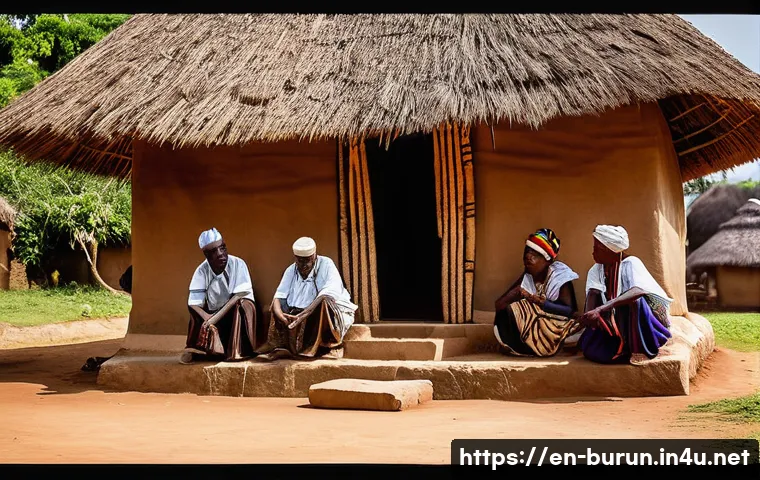
Imagine ancient royal traditions, vibrant drumming rituals that echo through generations, and landscapes so pristine they feel like a secret whispered only to you.
This beautiful nation holds a tentative list of UNESCO cultural heritage candidates that are just waiting for their moment in the spotlight, representing a blend of history, nature, and living culture that few places can match.
As someone who truly values authentic experiences, I can’t wait to share what makes these sites so profoundly special. Let’s dive in and explore these incredible cultural heritage candidates together!
Echoes of Ancient Thrones: Unearthing Burundi’s Royal Past
Stepping Back in Time at Gitega’s Heart
You know, there’s just something absolutely magical about visiting a place where history isn’t just written in books, but still breathes in the air. When I first visited what’s left of the ancient royal sites around Gitega, I was utterly captivated.
It’s not just ruins; it’s a feeling, a whisper of power and tradition that once defined an entire nation. Imagine the majestic courts, the intricate political dances, and the daily life unfolding under the gaze of a Mwami, or king.
The thought of how these rulers governed, how they maintained peace and order, and how their legacies shaped a people, truly gives me chills. I mean, we’re talking about a heritage that predates colonial times, a pure, unadulterated thread of Burundian identity.
It’s like discovering a secret garden of history, untouched by the modern world’s clamor, where every stone and every piece of land tells a story of sovereignty and resilience.
You can almost hear the discussions of elders, the laughter of children, and the solemn pronouncements of royalty echoing through the hills. It makes you realize how deeply rooted cultural identity can be, and why preserving these tangible and intangible pieces is so incredibly vital for future generations.
It’s an immersion, not just a visit, into a past that shaped the present.
The Intricate Tapestry of Royal Traditions
What really fascinated me about Burundi’s royal heritage isn’t just the physical structures, but the incredibly rich tapestry of customs and traditions that underpinned everything.
It’s not just about a king on a throne; it’s about the intricate social structures, the roles of different clans, and the symbolic power of objects and rituals.
I’ve spent hours learning about the traditional ceremonies, the way disputes were resolved, and the deep respect for ancestral wisdom that guided daily life.
There’s a particular kind of wisdom that emerges from centuries of oral tradition, passed down from generation to generation, and you can sense it here.
It’s in the way people speak, the stories they tell, and the subtle gestures that convey profound meaning. This isn’t just history; it’s a living heritage that continues to influence the cultural landscape.
Experiencing even a glimpse of these traditions made me understand the profound connection Burundians have to their past, and why these sites aren’t just historical markers, but vibrant symbols of identity.
It’s a powerful reminder that culture isn’t static; it evolves, but always holds onto its foundational roots.
Where the Drums Speak: The Heartbeat of Burundian Identity
The Sacred Rhythms of Gishora
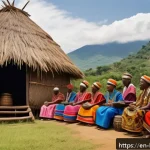
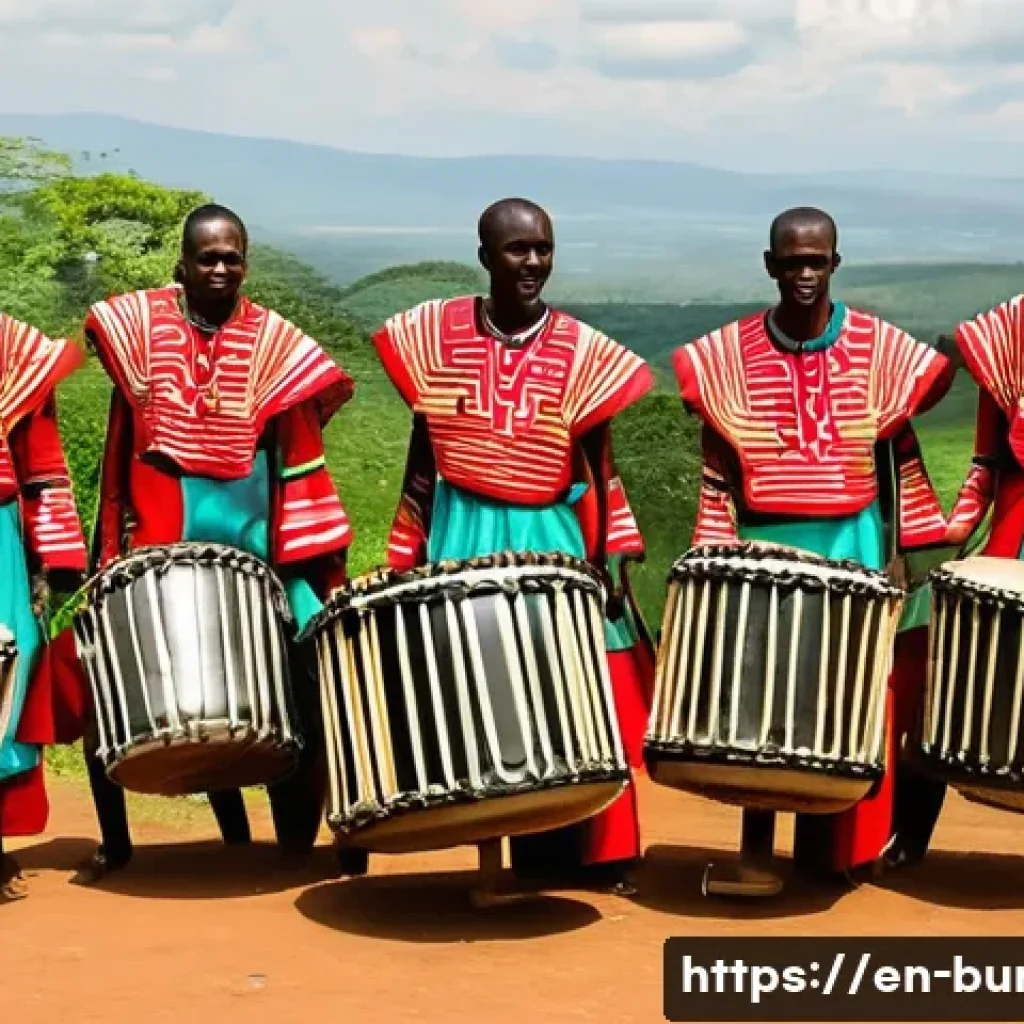
Oh my goodness, if there’s one experience that has completely transformed my understanding of culture, it’s witnessing the sacred drums of Gishora. It’s not just a performance; it’s an ancient ritual, a mesmerizing dance of sound and spirit that dates back centuries.
I can still vividly recall the first time I heard those powerful rhythms – a deep, resonant pulse that seems to connect directly with your soul, vibrating through your entire body.
The drummers, known as Abatimbo, are not just musicians; they are guardians of a sacred tradition, chosen with immense care and dedication. Their synchronized movements, the sheer power and precision, the incredible discipline – it’s absolutely breathtaking.
It felt like I was witnessing a living, breathing piece of history, a direct link to the royal courts of old. The drummers play on drums that are considered sacred, imbued with a spiritual significance that goes far beyond their musical function.
Truly, it’s an experience that transcends mere entertainment; it’s a profound spiritual and cultural immersion that leaves an indelible mark on your memory.
If you ever have the chance, you absolutely *must* experience it for yourself.
More Than Just Music: A Symbol of Unity and Power
What makes the Gishora drums so special isn’t just their incredible sound, but what they represent for the Burundian people. These drums, particularly the Karyenda (the royal drum), were once central to the monarchy, symbolizing the king’s power and the well-being of the nation.
They were beaten for important events – coronations, wars, celebrations – essentially marking the heartbeat of the kingdom. Even today, they embody a powerful sense of national identity and unity.
It’s a testament to the resilience of a culture that, despite historical upheavals, has managed to preserve such a vital and potent symbol. For me, seeing the reverence with which the drummers treat their instruments, and the pride they take in continuing this ancient art form, was incredibly moving.
It highlights how art, ritual, and history are so deeply intertwined in Burundi. It’s a reminder that culture isn’t just something you admire from afar; it’s something you feel, something that connects people and tells a shared story.
This is why preserving places like Gishora is so critical – they are living libraries of an entire civilization’s spirit.
Natural Wonders, Cultural Riches: Burundi’s Sacred Landscapes
Serene Sanctuaries: The Cultural Significance of Natural Sites
You know, it’s easy to think of cultural heritage as solely man-made structures, but in Burundi, like many parts of Africa, the line between nature and culture is beautifully blurred.
There are certain natural sites—hills, forests, and even specific springs—that hold profound spiritual and historical significance for local communities.
When I visited some of these areas, like the sacred hills that dot the landscape, I immediately felt a sense of reverence that permeates the air. It’s not just about pretty views; it’s about places where ancestors are believed to reside, where ancient rituals were performed, or where pivotal historical events unfolded.
People don’t just pass through these places; they connect with them on a spiritual level. This deep connection to the land is a cornerstone of Burundian culture, emphasizing a harmony with nature that many modern societies have lost.
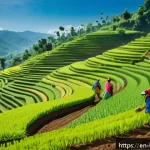
It’s a powerful testament to how intertwined human life and the natural world can be, and why protecting these natural wonders is just as much about preserving cultural identity as it is about conserving biodiversity.
Unlocking Ancient Lore in Verdant Settings
Every time I hike through one of Burundi’s pristine natural areas that also carries cultural weight, I feel like I’m stepping into an ancient storybook.
These aren’t just random patches of greenery; they’re often steeped in folklore, legends, and historical narratives passed down through generations. Imagine a particular tree believed to be the dwelling of a spirit, or a waterfall where blessings were once sought.
The oral traditions associated with these sites are just as rich and complex as any written history. When I spoke with local guides, their stories painted vivid pictures of how these natural features played crucial roles in community life, spiritual beliefs, and even historical movements.
It’s an intangible heritage deeply rooted in the tangible landscape. This blend of natural beauty and profound cultural meaning is what makes these sites so unique and deserving of global recognition.
It really makes you pause and appreciate the deeper layers of meaning that can exist within seemingly ordinary landscapes.
Guardians of Intangible Heritage: Preserving Burundi’s Living Traditions
The Enduring Power of Oral Narratives and Crafts
It’s absolutely fascinating how much of a culture’s soul resides not in buildings, but in the stories told, the songs sung, and the crafts meticulously created.
In Burundi, the richness of intangible heritage is simply breathtaking. I’ve spent hours listening to elders recount epic tales, proverbs, and historical accounts passed down through countless generations.
There’s a particular warmth and wisdom in their voices that you just don’t get from reading a textbook. And then there are the artisans! Their hands, guided by centuries of practice, transform natural materials into stunning works of art – baskets woven with intricate patterns, pottery shaped with ancient techniques, and traditional clothing dyed with vibrant, natural colors.
These aren’t just decorative items; they’re imbued with meaning, often telling stories or serving specific cultural functions. It’s a living, breathing connection to the past, and seeing these traditions thrive, even in a rapidly modernizing world, is incredibly inspiring.
It’s a testament to the enduring human spirit and the power of cultural memory.
Fostering Future Generations: Passing on the Legacy
One thing that truly struck me about Burundi’s living traditions is the strong emphasis on intergenerational transfer. It’s not enough to just practice these arts; there’s a conscious, dedicated effort to ensure that the younger generations learn and embrace them.
I observed master craftsmen patiently teaching apprentices, and grandparents sharing stories and songs with their grandchildren, ensuring the flame of tradition continues to burn brightly.
This active engagement in cultural education is so vital for preserving heritage in a meaningful way. It’s not just about memorizing facts; it’s about internalizing values, understanding identity, and feeling a sense of belonging to something much larger than oneself.
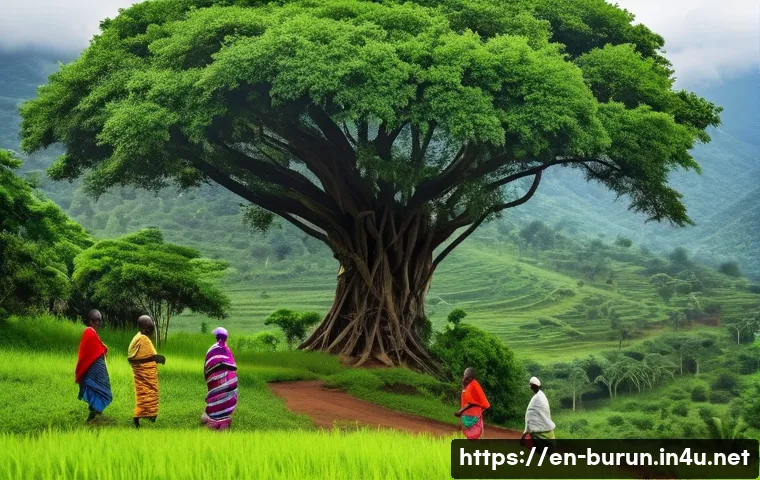
This collaborative effort to safeguard traditions—from the intricate rhythms of drumming to the nuanced art of storytelling—is truly a powerful force.
It’s a beautiful thing to witness, and it makes you feel hopeful for the future of these precious cultural treasures.
Unveiling Hidden Histories: Lesser-Known Cultural Gems
Beyond the Mainstream: Discovering Unique Localities
While some sites understandably garner more attention, part of the thrill of exploring a country like Burundi is stumbling upon those incredible, lesser-known spots that hold immense cultural value.
These are the places that often don’t make it into the glossy guidebooks but offer a profoundly authentic glimpse into local life and history. I recall visiting a small village where traditional ceremonies are still practiced with an intensity and purity that felt utterly timeless.
Or a particular historical landmark, perhaps a battleground or a meeting place of ancient chiefs, which, though unassuming to the untrained eye, holds layers of significant narratives.
It’s in these quiet corners that you often find the truest heart of a culture, away from any form of commercialization. The stories you hear from the locals, the subtle architectural clues, the feeling of stepping onto truly hallowed ground – these are the moments that make travel so profoundly rewarding.
They remind you that the world is full of wonders just waiting to be respectfully discovered.
The Power of Community and Shared Identity
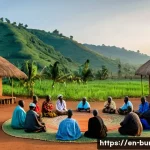
What truly imbues these less prominent sites with their profound value is the vibrant community connection. It’s not just about a location; it’s about the people who live there, who cherish its history, and who actively participate in keeping its traditions alive.
These communities are the true custodians of their heritage. Their collective memory, their shared rituals, and their deep-seated respect for the past transform an ordinary place into a living monument.
I’ve always found that the warmth and openness of Burundian communities add such a rich layer to any cultural exploration. They are often eager to share their knowledge and stories, not just as historical facts, but as living parts of their identity.
This strong sense of communal ownership and pride is what truly makes these sites special and underscores the urgent need for their recognition and preservation.
It’s a testament to the fact that culture is not just what we build, but how we live and connect with each other.
Here’s a quick look at some of the fascinating cultural candidates and their unique appeals:
| Candidate Site/Theme | Brief Description | Cultural Significance |
|---|---|---|
| Gishora Drum Sanctuary | Home to the sacred royal drums and the Abatimbo drummers. | Represents ancient royal power, spiritual reverence, and a vibrant living musical tradition. |
| Ancient Royal City (Gitega surrounds) | Historical areas linked to the former Burundian monarchy. | Embodies the political and social structures of the pre-colonial kingdom, rich in architectural and oral history. |
| Sacred Natural Sites (e.g., specific hills) | Natural landscapes holding spiritual importance for local communities. | Connects ancient beliefs, ancestral reverence, and traditional rituals to the natural environment. |
Bridging Past and Future: The Call for Preservation
The Urgency of Safeguarding Cultural Legacies
Honestly, after experiencing the incredible depth of Burundi’s cultural heritage, it’s impossible not to feel a profound sense of urgency about its preservation.
These sites, traditions, and stories aren’t just relics of the past; they are vital arteries connecting the present to a rich, complex history, and providing a foundation for the future.
The threat of losing them, whether through neglect, modernization, or external pressures, feels immense. I’ve seen firsthand how fragile cultural heritage can be if it’s not actively protected and cherished.
It’s not just about physical structures; it’s about safeguarding the knowledge, the skills, and the spiritual connections that define a people. This is where global recognition, like a UNESCO listing, can make such a monumental difference, providing resources, expertise, and a spotlight that ensures these treasures are not forgotten.
It’s a collective responsibility, really, to ensure these profound expressions of human creativity and history endure.
Community Empowerment: The Key to Lasting Preservation
From my perspective, the most effective way to ensure the lasting preservation of these cultural candidates lies squarely with empowering the local communities themselves.
It’s their heritage, their stories, and their traditions that are at stake. When local people are actively involved in the conservation efforts – from decision-making to day-to-day management – the results are always more sustainable and authentic.
I’ve seen examples where community-led initiatives not only protect sites but also create economic opportunities, fostering a sense of ownership and pride that money simply can’t buy.
This kind of grassroots engagement is crucial for making sure that conservation isn’t just an external directive, but a deeply felt commitment from within.
It truly transforms what could be a sterile preservation project into a dynamic, living cultural movement that benefits everyone involved. It’s about more than just bricks and mortar; it’s about nurturing the spirit of a nation, and ensuring its unique voice continues to resonate for generations to come.
글을 마치며
Well, friends, as we wrap up this deep dive into Burundi’s absolutely breathtaking cultural heritage, I truly hope you’ve felt the same awe and connection that I did.
It’s more than just history; it’s a living, breathing testament to the resilience, creativity, and profound spirit of a nation. Experiencing these ancient royal sites, the mesmerizing Gishora drums, and the sacred natural landscapes has been an unforgettable journey for me, one that has enriched my understanding of the world in ways I never anticipated.
I feel a renewed sense of appreciation for cultures that maintain such a strong link to their past.
알아두면 쓸모 있는 정보
1. Respect Local Customs: Always be mindful and respectful of local traditions and customs, especially when visiting sacred sites or interacting with elders. A simple “murakoze” (thank you) in Kirundi goes a long way!
2. Engage with Local Guides: To truly unlock the stories and significance of these cultural gems, consider hiring a local guide. Their insights and personal anecdotes are invaluable and support the community directly.
3. Dress Modestly: When exploring culturally significant areas, especially religious or ceremonial sites, opting for modest attire is always appreciated and shows respect for the local way of life.
4. Support Local Artisans: Look for opportunities to purchase authentic handmade crafts. Not only do you get a beautiful souvenir, but you also contribute directly to the livelihoods of local artisans who are preserving traditional skills.
5. Stay Hydrated and Prepared: Burundi’s climate can be warm, and some sites involve walking. Always carry water, wear comfortable shoes, and protect yourself from the sun to ensure a comfortable and enjoyable experience.
중요 사항 정리
I’ve poured my heart into sharing these insights because I truly believe Burundi’s cultural treasures are global gems that deserve our attention, respect, and support for preservation.
What I’ve truly come to understand is that the strength of Burundi’s heritage lies in its people – their stories, their dedication to tradition, and their deep-rooted sense of identity.
Protecting these sites and intangible practices isn’t just about preserving stones or rituals; it’s about safeguarding the very soul of a nation, ensuring that the echoes of ancient thrones continue to resonate for future generations.
My personal experience has shown me that immersing yourself in such rich cultures isn’t just travel; it’s a transformative journey that broadens your perspective and fills you with an immense appreciation for the diversity of human experience.
It’s about remembering that the past isn’t just history, it’s a living, breathing part of who we are, right now.
Frequently Asked Questions (FAQ) 📖
Q: What’s so special about the Gishora Drum Sanctuary, and why is it considered a UNESCO cultural heritage candidate?
A: Oh, my goodness, if you haven’t heard about the Gishora Drum Sanctuary, you are in for a treat! As someone who’s had the profound privilege of witnessing the Royal Drummers of Burundi, I can tell you there’s simply nothing like it.
Gishora isn’t just a place; it’s the beating heart of Burundian culture, a living, breathing testament to an ancient royal tradition. It’s on Burundi’s tentative list for UNESCO, and for good reason.
Imagine stepping onto grounds where history isn’t just told, it’s felt. The story goes that these sacred drums, especially the legendary Karyenda, were central to the Burundian monarchy, symbolizing power, unity, and the very soul of the nation.
I remember standing there, the vibrant rhythm vibrating through my chest, watching these incredible drummers perform. It wasn’t just a show; it was a deeply spiritual experience, a direct connection to generations past.
They say the drums awaken ancestral spirits, and honestly, you can almost believe it. The dedication these young men show, often learning from their fathers and grandfathers, is just awe-inspiring.
It’s not merely about drumming; it’s about preserving a way of life, a collective memory, and a proud identity. For me, visiting Gishora wasn’t just checking off a bucket list item; it was a soul-stirring journey into the essence of what makes Burundi so incredibly unique.
This is why it absolutely deserves its place on that UNESCO list – it’s a cultural treasure that speaks volumes.
Q: Beyond Gishora, what other royal or traditional sites in Burundi are hoping for UNESCO recognition, and what makes them significant?
A: That’s a fantastic question, because Burundi’s cultural tapestry is so much richer than just the drums, as magnificent as they are! The UNESCO tentative list includes some truly captivating sites that tell the story of the old Burundian kingdom and its unique way of life.
For instance, there’s “Le rugo traditionnel du Mugamba,” which represents the traditional royal residence. When I first learned about these “rugos,” I was fascinated.
They aren’t just buildings; they’re an entire architectural and social system, designed to reflect the hierarchy and community values of ancient Burundi.
Picture a beautifully arranged compound, often circular, with separate structures for living, cooking, and receiving guests, all built with indigenous materials and incredible craftsmanship.
It’s like stepping back in time, offering a tangible glimpse into how the Mwami (the king) and his people lived. These sites are incredibly important for understanding the sophisticated societal structures that existed long before colonial times.
They showcase a profound connection to the land and a deep respect for tradition. Honestly, what impresses me most is how these sites embody the ingenuity and resilience of Burundian culture.
They’re not just ruins; they’re classrooms without walls, teaching us about governance, community, and artistry.
Q: How do these cultural heritage candidates contribute to Burundi’s identity and future, especially for visitors?
A: What an insightful way to look at it! These cultural heritage candidates are, without a doubt, anchors for Burundi’s national identity. They connect modern Burundians to a rich, unbroken lineage of kings, rituals, and profound community values.
When you visit places like Gishora or learn about the “rugos,” you immediately understand that this isn’t just history from a textbook; it’s alive in the pride and stories of the people.
For me, that’s what makes travel truly transformative – feeling that genuine connection. From a visitor’s perspective, these sites offer something truly rare: an authentic, uncommercialized insight into a deeply spiritual and historical culture.
Imagine the joy of hearing a local elder share stories of their ancestors who served the king, or seeing the meticulous detail in traditional crafts. These experiences aren’t just pleasant; they’re incredibly enriching.
And for Burundi’s future? Well, recognizing these sites on the global stage through UNESCO means not only preserving them for generations to come but also showcasing Burundi as a vibrant cultural destination.
This can bring sustainable tourism, empowering local communities and fostering an even deeper appreciation for their heritage. It’s a win-win: visitors get incredible, unforgettable experiences, and Burundi gets to share its magnificent soul with the world while building a brighter, more culturally conscious future.