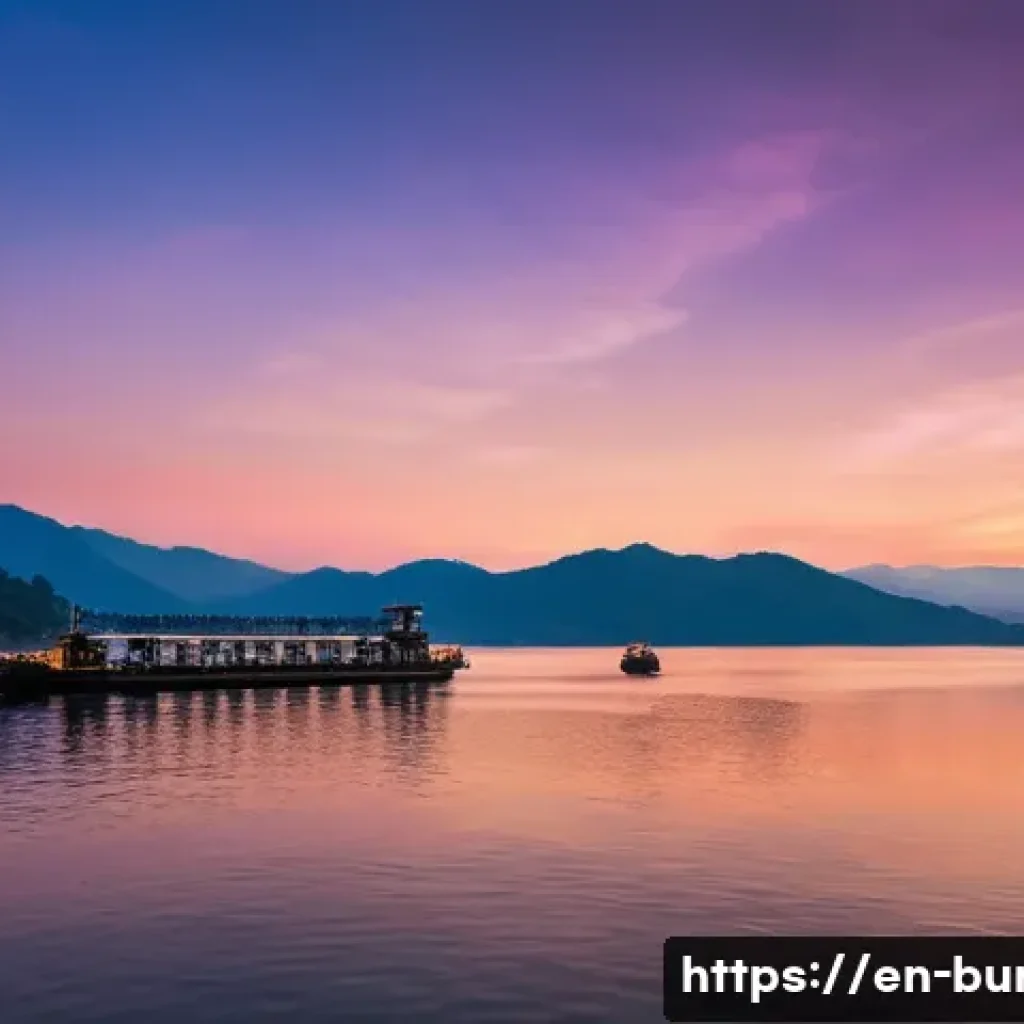
You know, there are some places on this planet that just leave you utterly speechless, and for me, Lake Kivu is definitely one of them. Nestled right in the heart of Africa, straddling the vibrant borders of Rwanda and the Democratic Republic of Congo, this isn’t just another stunning lake—it’s a living, breathing paradox.
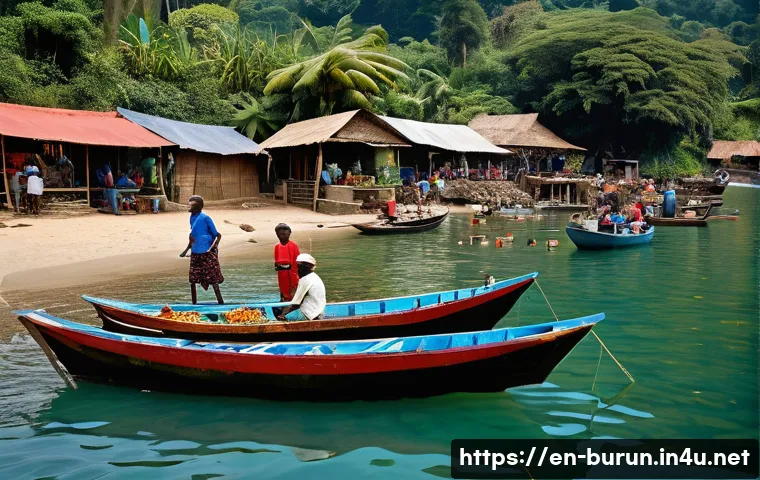
I remember the first time I saw its emerald green waters reflecting the surrounding volcanic mountains; it was pure magic, so serene you could almost forget the incredible, almost sci-fi story unfolding beneath its surface.
But here’s the kicker, something that truly blew my mind and changed my perspective on natural resources: Lake Kivu holds a staggering secret. Deep within its depths, vast reserves of methane and carbon dioxide have been trapped for millennia, a geological marvel that also poses a unique challenge.
Imagine, a lake that could power an entire region, yet also holds the potential for catastrophic natural events. It’s an environmental tightrope walk, and I’ve been so fascinated watching how human innovation is turning this potential danger into a lifeline, literally transforming gas into electricity for local communities.
This isn’t just about science, though. It’s about vibrant lakeside towns, where the air is filled with the sounds of local life, and friendly faces invite you to experience a culture deeply intertwined with this magnificent body of water.
You can swim in its clear, crocodile-free waters, kayak past tranquil islands, or simply soak in the breathtaking sunsets. It’s an evolving story of nature’s raw power, human resilience, and sustainable progress, making it a truly unparalleled destination for curious travelers.
If you’re looking for a destination that truly combines breathtaking beauty with a fascinating modern narrative, you’ve found it. Let’s delve into everything you need to know about Lake Kivu and uncover its secrets, from its stunning shores to its incredible energy projects.
Lake Kivu’s Astonishing Paradox: Beauty Meets Beneath-the-Surface Power
You know, for all its undeniable surface charm—those shimmering emerald waters, the tranquil islands, and the lush, volcanic hillsides—Lake Kivu truly shines when you dig a little deeper, literally and figuratively. When I first visited, I was completely captivated by the serene landscape, but learning about its incredible subsurface activity truly blew my mind. It’s not just a pretty face; it’s a geological marvel. Imagine a lake that’s both a breathtaking tourist destination and a crucial source of energy for an entire nation. It’s a duality that you rarely encounter, and it’s something I found utterly fascinating to witness firsthand. This isn’t just about the science, though. It’s about the tangible impact on the lives of people living around its shores, offering a glimpse into a future where sustainable energy is not just a dream but a daily reality. The unique combination of natural beauty and groundbreaking innovation makes Lake Kivu a truly special place, a living testament to humanity’s ingenuity in harnessing nature’s raw power. It’s an experience that really sticks with you, reminding you of the hidden wonders our planet holds and the incredible ways we’re learning to live with them.
The Deep Secret: Methane Reserves & Energy Potential
Beneath Lake Kivu’s calm exterior lies a staggering secret: vast quantities of dissolved methane and carbon dioxide, trapped for millennia by the lake’s unique stratification. It sounds like something out of a science fiction novel, doesn’t it? When I heard about it, I was immediately intrigued. This isn’t just a small pocket of gas; we’re talking about an estimated 55 billion cubic meters of methane and 300 billion cubic meters of carbon dioxide. To put that into perspective, the methane alone could power Rwanda for centuries! What struck me most was the delicate balance. While these gases represent an immense energy opportunity, they also pose a potential risk, as a sudden release could be catastrophic. The challenge, then, has been how to safely extract this valuable resource. Witnessing the engineering marvels that are making this possible truly opened my eyes to the potential we have when we combine scientific understanding with a drive for sustainable solutions. It’s a testament to human ingenuity and a beacon of hope for regions seeking energy independence.
Turning Danger into Power: The KivuWatt Project
This is where the story gets really exciting – the innovation to transform this geological ticking clock into a vibrant energy source. I’ve followed the KivuWatt project with immense interest because it truly exemplifies turning a challenge into an opportunity. Imagine these massive barges floating on the lake, looking like something out of a sci-fi movie, but they’re actually extracting the gas from the deep waters. They then separate the methane from the carbon dioxide before sending the methane ashore through pipelines. Once on land, the gas fuels generators that produce electricity, powering homes and businesses across Rwanda. It’s a complex process, but seeing it in action, or even just understanding the mechanism, makes you realize the incredible human endeavor behind it. This isn’t just about megawatts; it’s about reliable electricity transforming communities, fueling economic growth, and providing a sustainable energy future. It’s an ongoing process, and the ambition to expand these operations is truly inspiring, promising an even brighter future for the region.
Embracing the Shores: Life, Culture, and Unforgettable Experiences
Beyond the incredible energy story, Lake Kivu is simply a magical place to experience life. The lakeside towns, especially Gisenyi (also known as Rubavu) in Rwanda, buzz with an infectious energy that’s uniquely African. I remember strolling along the shores, the air thick with the aroma of fresh fish grilling, children laughing as they played in the shallows, and local fishermen gracefully paddling their traditional wooden boats, casting their nets as they’ve done for generations. It’s a sensory feast, and it’s impossible not to feel a deep connection to the vibrant culture that thrives here. The people are incredibly welcoming, and their lives are so intimately intertwined with the lake that you get a true sense of community and tradition. From the bustling markets to the serene beaches, every corner tells a story. This isn’t just a place you visit; it’s a place you feel, a place where memories are made that you’ll carry with you long after you’ve left its shores. It’s a vivid reminder that some of the richest experiences come from simply immersing yourself in local life.
Adventures on the Water: Kayaking, Swimming, and Sunsets
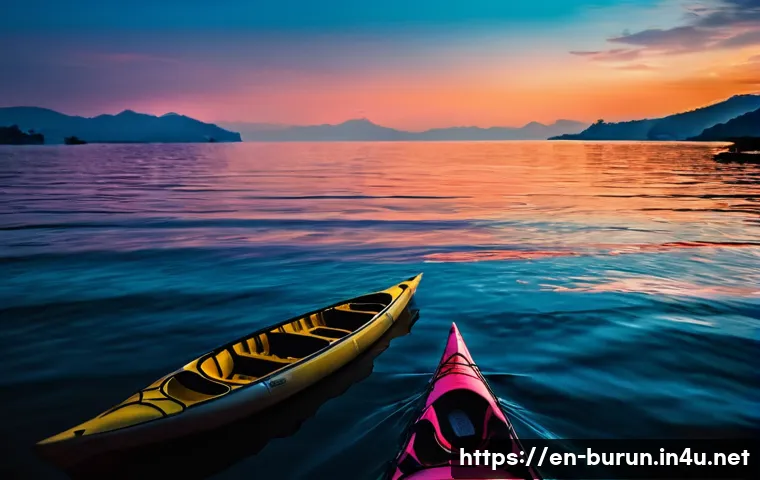
One of my absolute favorite things to do at Lake Kivu is simply getting out on the water. And guess what? No crocodiles here, so swimming is a pure joy! The water is refreshingly clear and inviting, making it perfect for a leisurely dip. But if you’re looking for a bit more adventure, kayaking is an absolute must. I’ve spent hours paddling around, exploring the various islands and discovering hidden coves. The tranquility out on the water, with only the sound of your paddle dipping into the lake, is incredibly peaceful. And let me tell you, the sunsets over Lake Kivu are legendary. The sky erupts in a symphony of oranges, pinks, and purples, reflecting off the water in a breathtaking display. Finding a quiet spot on the beach or a lakeside cafe to just sit back and watch nature’s daily show is an experience you won’t soon forget. It’s those simple, unadulterated moments of beauty that truly make a trip to Lake Kivu unforgettable and provide a perfect backdrop for relaxation and reflection.
Lakeside Living: From Coffee to Cultural Immersion
Life around Lake Kivu isn’t just about the natural beauty; it’s also about the rich agricultural heritage and the warmth of the local communities. Rwanda is famous for its incredible coffee, and many of the plantations thrive in the fertile volcanic soil around the lake. I always make sure to visit a local coffee cooperative; it’s fascinating to see the process from bean to cup and even more rewarding to taste the fresh brew, knowing the hard work that goes into it. Beyond coffee, the region offers numerous opportunities for cultural immersion. You can visit local villages, learn about traditional crafts, or simply engage in conversations with the locals. They are often eager to share their stories and traditions, offering a genuine glimpse into their way of life. These interactions are, for me, just as enriching as the stunning scenery, providing a deeper understanding and appreciation for this incredible part of the world. It truly makes your trip feel more meaningful and connected.
The Ecological Heartbeat: Lake Kivu’s Unique Ecosystem
While the energy projects and vibrant tourism are undoubtedly compelling, the very essence of Lake Kivu lies in its profoundly unique ecology. This isn’t just any large freshwater lake; it’s a stratified lake, meaning its layers of water don’t mix, creating distinct environments from the surface down to its incredible depths. This stratification is precisely what allows those immense gas reserves to accumulate, but it also fosters a singular aquatic ecosystem. For me, understanding this geological phenomenon makes the lake even more awe-inspiring. It’s a delicate balance of biology and geology playing out over millennia, creating a living laboratory right before our eyes. The sheer scale of the lake and its specific conditions mean that certain species thrive here that you might not find elsewhere, making it a hotspot for scientific study and a treasure trove for biodiversity enthusiasts. It truly underscores the importance of preserving such unique natural wonders.
Monitoring and Protecting a Natural Wonder
With great resources come great responsibilities, and the local governments, alongside international partners, are intensely focused on monitoring and protecting Lake Kivu’s delicate ecosystem. The methane extraction projects, for instance, are designed with stringent environmental safeguards to ensure the lake’s stability isn’t compromised. I’ve spoken with researchers who dedicate their lives to studying the lake’s health, constantly monitoring water quality, gas levels, and the overall impact of human activity. It’s a testament to a commitment to sustainability, ensuring that this incredible natural resource can continue to benefit generations to come, both as an energy source and as a vibrant ecosystem. This dedication to responsible management is crucial, and it’s something that truly resonates with me, knowing that such a vital resource is being cared for with such diligence and foresight.
Planning Your Unforgettable Kivu Escape
Thinking of visiting Lake Kivu? Trust me, you absolutely should! It’s one of those destinations that truly offers something for every type of traveler, whether you’re seeking adventure, relaxation, cultural immersion, or simply breathtaking natural beauty. From the moment you arrive, you’ll feel a sense of ease and wonder that’s hard to find elsewhere. I always tell my friends that if they want a travel experience that blends stunning scenery with genuinely impactful human stories, Lake Kivu is the place. It’s easy to get around, the people are incredibly friendly, and the infrastructure for tourists has steadily improved, making it a very accessible and enjoyable destination. Forget those preconceived notions; this region is truly welcoming and safe, offering an authentic African experience that feels both adventurous and comfortably inviting. Don’t just dream about it; start planning your trip to this truly unique destination today!
Best Times to Visit and Getting Around
So, when’s the best time to experience Lake Kivu’s magic? Generally, the dry seasons, from June to September and December to February, offer the most pleasant weather for exploring, with clear skies perfect for those stunning sunsets and comfortable temperatures for all your lakeside activities. During these periods, you’ll find it’s easier to enjoy outdoor adventures like kayaking and hiking. Getting around the lake is surprisingly easy; local boats offer scenic transfers between towns like Gisenyi and Kibuye, providing spectacular views from the water. On land, you can use local taxis or moto-taxis for shorter distances, and for those venturing further, rental cars are also an option. I always recommend taking a boat trip at least once; it gives you a unique perspective of the lake and the communities dotted along its shores. It’s truly a journey that showcases the beauty of the region from every angle.
Accommodation and Dining: Your Lakeside Retreat
When it comes to where to stay and eat, Lake Kivu has really upped its game, offering options to suit every budget and taste. From luxurious resorts with infinity pools overlooking the lake to charming guesthouses and eco-lodges, you’ll find a perfect place to unwind after a day of exploration. I’ve personally stayed in a few different spots, and each offered its own unique charm and hospitality. Dining is another highlight; you simply have to try the fresh tilapia from the lake—it’s absolutely delicious and a local specialty! Many restaurants, particularly in Gisenyi and Kibuye, offer beautiful lakeside settings where you can enjoy your meal with a view. Beyond fish, you’ll find a mix of local Rwandan dishes and international cuisine. Don’t be afraid to try some of the local eateries; that’s where you often find the most authentic flavors and truly connect with the local culinary scene. It’s all part of the immersive experience that makes Lake Kivu so special.
Lake Kivu’s Economic Ripple: Impacting Local Lives
What truly moved me about Lake Kivu’s story isn’t just the grand scale of the energy projects or the stunning vistas, but the very real and positive impact these developments have on the everyday lives of the people who call this region home. It’s easy to get lost in the numbers and the science, but when you see a community gain reliable electricity for the first time, when you witness businesses thriving thanks to stable power, that’s when the true significance hits you. The methane extraction projects, while large-scale, also create local employment opportunities, from skilled engineers to support staff, providing vital income and fostering community growth. This economic ripple effect extends beyond direct employment, too, as improved infrastructure and reliable energy attract further investment and opportunities to the region. It’s a powerful testament to how sustainable resource management can genuinely elevate living standards and create a brighter future for countless individuals. It’s a narrative of progress and hope, playing out on the shores of one of Africa’s most beautiful lakes.
From Energy to Entrepreneurship: Local Business Growth
The consistent energy supply derived from Lake Kivu’s gas reserves has become a cornerstone for fostering entrepreneurship and local business growth. Before, many small businesses struggled with unreliable power, relying on expensive and often polluting generators. Now, with stable electricity, workshops can operate longer, refrigeration for perishable goods is more dependable, and access to technology is becoming more widespread. I’ve spoken with small shop owners and artisans who told me how this change has allowed them to expand their operations, offer new services, and ultimately improve their families’ livelihoods. It’s not just about turning on a light switch; it’s about enabling progress and innovation at the grassroots level. This shift is particularly impactful in rural areas surrounding the lake, where previously, economic opportunities were more limited. It’s a tangible demonstration of how large-scale infrastructure projects can directly translate into individual empowerment and community prosperity, creating a vibrant economic landscape.
| Feature | Description |
|---|---|
| Location | Between Rwanda and the Democratic Republic of Congo |
| Surface Area | Approx. 2,700 sq km (1,040 sq mi) |
| Max Depth | 480 m (1,575 ft) |
| Gas Reserves | 55 billion m³ methane, 300 billion m³ CO₂ |
| Energy Project | KivuWatt (methane-to-electricity) |
| Key Activities | Swimming, kayaking, boat tours, cultural visits, relaxation |
| Local Specialties | Fresh Tilapia fish, Rwandan coffee |
The Future Horizon: Lake Kivu’s Evolving Story
As I reflect on my experiences and observations around Lake Kivu, it’s clear that this isn’t a static destination but a living, evolving story. The incredible interplay of natural beauty, scientific innovation, and human resilience makes it a truly unique place on our planet. The ongoing efforts to harness its energy while safeguarding its delicate ecosystem are a powerful testament to sustainable development. What excites me most is looking ahead—the potential for expanding the energy projects, the continued growth of lakeside tourism, and the blossoming of local communities. This lake, with its deep secrets and vibrant shores, represents a model for how humanity can responsibly interact with powerful natural resources, turning challenges into transformative opportunities. It’s a journey of discovery that’s far from over, and I can’t wait to see how its narrative unfolds in the years to come. Every visit leaves me more optimistic about the future and the power of human ingenuity.
Expanding Energy Footprint & Regional Impact
The vision for Lake Kivu’s energy projects extends far beyond current operations. There are ambitious plans to expand methane extraction, bringing even more reliable and affordable electricity to Rwanda and potentially neighboring regions. This isn’t just about domestic energy needs; it’s about regional stability and cooperation. Imagine the impact of having a consistent, clean energy source powering development across a wider area, fostering economic partnerships, and improving quality of life for millions. I’ve heard about future phases that will see even more advanced technology deployed, further optimizing the extraction process and maximizing output. This kind of forward-thinking strategy is truly inspiring, demonstrating a commitment to long-term sustainable growth. It’s a huge undertaking, but one that promises to redefine the energy landscape of Central Africa, establishing Lake Kivu as a beacon of innovation and resourcefulness on the global stage.
Conservation and Sustainable Tourism Initiatives
Hand-in-hand with economic development is a strong commitment to conservation and sustainable tourism around Lake Kivu. The authorities understand that the lake’s beauty and unique ecosystem are its greatest assets, and preserving them is paramount. I’ve noticed a growing emphasis on eco-tourism initiatives, encouraging responsible travel that benefits local communities and minimizes environmental impact. From community-led conservation projects to efforts in promoting responsible waste management, there’s a collective drive to ensure the lake remains pristine for future generations. This holistic approach, integrating economic progress with environmental stewardship, is what truly sets Lake Kivu apart. It’s not just about exploiting resources; it’s about nurturing them, ensuring a harmonious balance between human needs and nature’s delicate systems. This makes visiting the lake not just an adventure, but also an opportunity to support a truly sustainable and forward-thinking destination.
Concluding Thoughts
And there you have it, friends! Lake Kivu isn’t just a destination; it’s an experience, a living narrative of nature’s power intertwined with human ingenuity and vibrant culture. My time exploring its shores and delving into its unique story has always left me feeling invigorated and inspired. It’s a place that truly captivates your imagination, offering so much more than meets the eye. From breathtaking sunsets to groundbreaking energy projects, Lake Kivu genuinely offers a piece of magic that sticks with you long after you’ve departed.
Useful Information to Know
1. Crocodile-Free Waters: You can swim safely in Lake Kivu! Unlike many other African lakes, Lake Kivu is famously free of crocodiles, making its clear waters incredibly inviting for a refreshing dip or a leisurely swim.
2. “Walking Fish” Delicacy: While Tilapia is popular, keep an eye out for “Isambaza,” tiny sardine-like fish often served fried, known locally as “walking fish.” They’re a delicious and authentic local specialty you absolutely must try when you visit.
3. Methane, Not Just Pretty Views: Remember, beneath its beautiful surface, Lake Kivu holds massive methane reserves. This isn’t just a fun fact; it’s a critical energy source for Rwanda, powering communities through projects like KivuWatt.
4. Boat Travel is Key: Don’t just stick to the roads! Taking a local boat between lakeside towns like Gisenyi and Kibuye offers stunning scenic views and a unique perspective of the lake’s vastness and surrounding life.
5. Rwandan Coffee Paradise: The volcanic soil around Lake Kivu is perfect for growing some of the world’s best coffee. Make sure to visit a local coffee plantation or cooperative to taste the freshest brew and learn about the bean-to-cup process.
Key Takeaways
Lake Kivu stands as a testament to the harmonious blend of natural wonder, innovative energy solutions, and rich cultural tapestry. It offers an unparalleled travel experience, combining serene beauty with fascinating scientific endeavors. The lake’s methane reserves provide sustainable power, while its vibrant communities and stunning landscapes offer endless adventure and relaxation opportunities. It’s a truly unique destination that showcases human ingenuity and natural splendor in equal measure, making it a must-visit for anyone seeking a deeply impactful and memorable journey.
Frequently Asked Questions (FAQ) 📖
Q: What makes Lake Kivu so unique and unlike any other lake you’ve ever heard of?
A: Oh, where do I even begin with Lake Kivu? From the moment I first laid eyes on it, I knew this place was different, truly in a league of its own. It’s not just its stunning emerald waters or the way the sun dances on the surface with those dramatic volcanic peaks in the background – though those alone are enough to steal your breath away.
What genuinely makes Lake Kivu a standout, a real head-scratcher in the best possible way, is the incredible geological phenomenon happening beneath its tranquil exterior.
Imagine, a lake holding vast, untapped reserves of methane and carbon dioxide deep down in its depths. It’s like a massive natural battery, a potential energy source that could power an entire nation!
I remember learning about this on my first trip and just being absolutely fascinated. It’s this incredible paradox: a lake that provides serene beauty and life to its shores, yet also harbors this immense, powerful secret.
It feels like stepping into a sci-fi novel, where nature’s raw power is being harnessed by human ingenuity. And honestly, for a traveler like me who loves a good story, Lake Kivu’s dual nature—its breathtaking beauty juxtaposed with its unique scientific significance—is absolutely captivating.
It’s a living, breathing marvel that offers both natural splendor and a peek into the future of sustainable energy.
Q: I’m thinking of visiting Lake Kivu; what kind of activities can I enjoy, and is it safe to swim?
A: If you’re considering a trip to Lake Kivu, let me tell you, you are in for a treat! From my own travels there, I can confidently say it’s an experience that stays with you.
And yes, to answer your most pressing question, it is absolutely safe to swim! That’s one of the first things I always tell people. Unlike some other lakes in Africa, Lake Kivu is completely free of crocodiles and hippos, which honestly, is such a relief and just makes those refreshing dips in the clear, cool water so much more enjoyable.
I’ve spent countless hours just floating, soaking in the incredible views. Beyond swimming, there’s so much to do. You can hop into a kayak and paddle around the tranquil islands, each with its own little charm and offering breathtaking perspectives of the shoreline.
Or, if you’re feeling a bit more adventurous, you can take a boat trip to explore the various lakeside towns. I particularly loved the vibrant atmosphere, meeting friendly locals, and just seeing daily life unfold.
Evenings are magical too; watching the sunset over the lake is truly an unparalleled experience, painting the sky with the most incredible colors. Trust me, whether you’re looking for relaxation, adventure, or cultural immersion, Lake Kivu has it all.
Q: How exactly is Lake Kivu’s trapped gas being used, and what does this mean for the local communities and the region?
A: This is where Lake Kivu truly transforms from a natural wonder into a beacon of innovation and hope, and it’s something I’ve personally been so incredibly impressed by.
Remember that “staggering secret” I mentioned earlier—the vast reserves of methane and carbon dioxide deep beneath the surface? Well, brilliant minds and dedicated teams are now actively working to extract that methane, turning what was once a potential danger into a powerful resource.
They’re basically setting up specialized rigs on the lake, kind of like offshore platforms, that carefully pull the gas out without disturbing the delicate balance of the lake.
Once extracted, this methane is then converted into electricity. And get this: this isn’t just a small-scale project. This energy is literally powering homes, businesses, and communities across Rwanda.
I’ve seen firsthand the positive impact this has had. It means more reliable electricity for everyone, from charging phones to powering schools and small businesses, which in turn fuels economic growth and improves the quality of life.
For me, witnessing this transformation from potential natural hazard to a sustainable energy solution has been incredibly inspiring. It’s a powerful testament to human ingenuity and a truly unique example of how environmental challenges can be turned into incredible opportunities for an entire region.