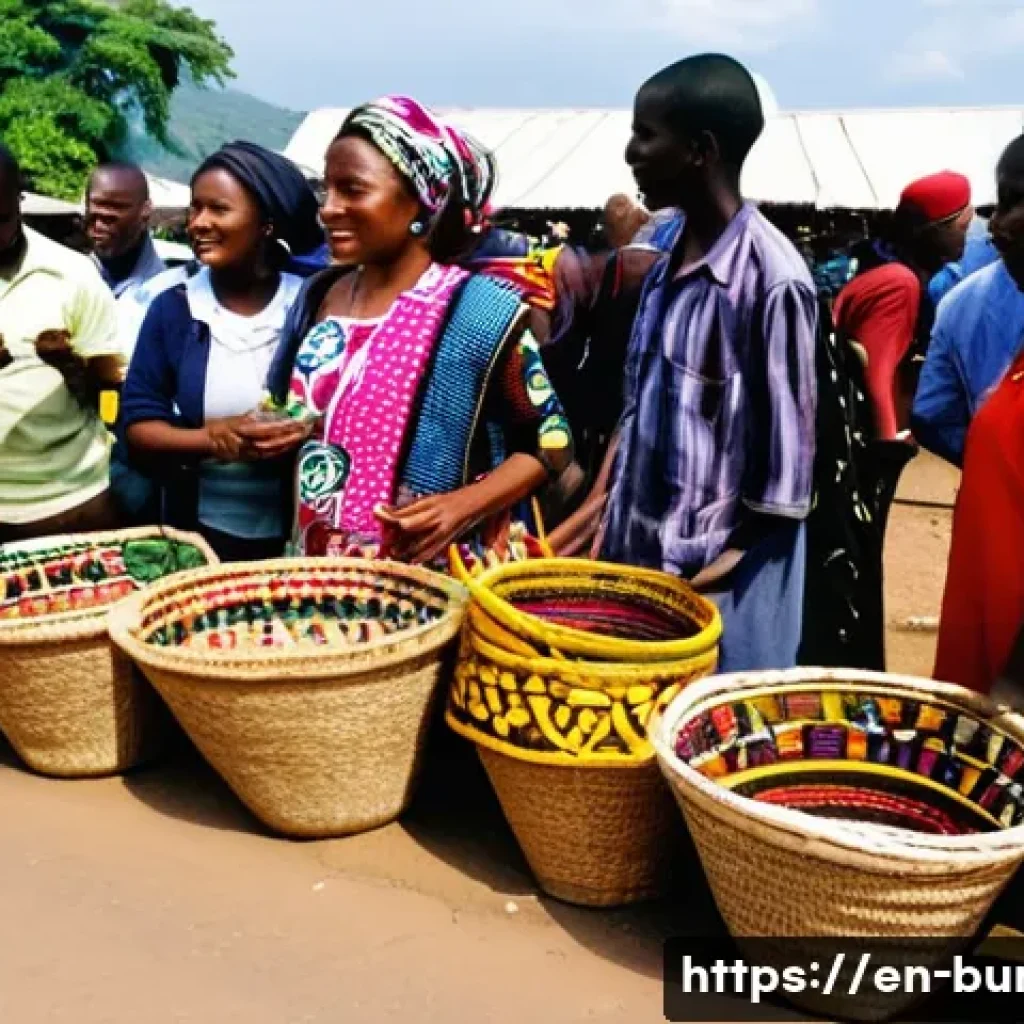
There’s nothing quite like the exhilarating feeling of planning a trip to a truly unique destination, a place that promises adventure and unforgettable memories far from the usual tourist trails.
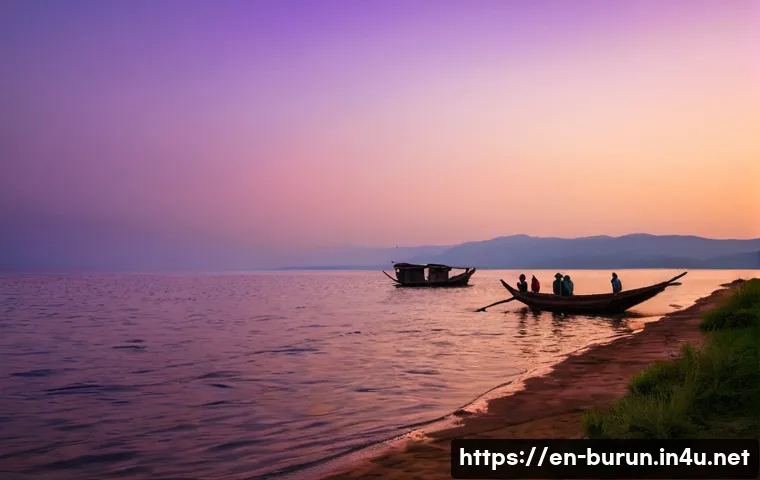
Burundi, with its breathtaking natural beauty, from the shores of Lake Tanganyika to its rolling hills and rich cultural tapestry, is absolutely one of those places that calls to the adventurous spirit.
But as someone who’s explored my fair share of off-the-beaten-path locations, I can tell you firsthand that the secret to truly enjoying these incredible journeys isn’t just about the destination itself; it’s about being prepared, informed, and truly present.
In an ever-changing world of travel, staying ahead of potential challenges is more crucial than ever. It allows you to embrace every moment, soak in the local culture, and connect with people without a nagging sense of worry.
From what I’ve seen on my own travels, a little bit of proactive research goes a long, long way in ensuring your safety and maximizing your enjoyment, turning potential anxieties into confidence.
This isn’t about fear-mongering; it’s about smart, responsible adventuring that lets you focus on the sheer wonder of your surroundings. Ready to make your Burundian adventure as seamless and secure as possible?
Let’s dive deep into the practical safety measures you absolutely need to know.
Navigating the Heart of Bujumbura and Beyond
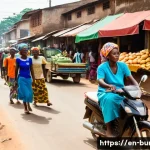
Stepping into Burundi, especially its bustling capital, Bujumbura, is an experience that immediately captivates your senses. The vibrant markets, the gentle lapping of Lake Tanganyika, and the friendly faces you encounter make for an incredibly rich cultural immersion. But as with any journey off the beaten path, understanding the local rhythm and how to move about safely is paramount. From my travels, I’ve learned that truly appreciating a place means being smart about your movements. Public transport, while often colorful and an experience in itself, requires a bit of savvy. Always opt for clearly marked taxis, ideally arranged through your hotel, especially after dark. Negotiate the fare upfront – it saves so much hassle later! Walking around during the day, particularly in well-populated areas, is generally fine, but always be aware of your surroundings, just as you would in any big city. It’s not about paranoia; it’s about common sense. I always carry a small cross-body bag that’s hard to snatch, keeping my essentials close. It allows me to fully soak in the sights without constantly worrying about my belongings. Remember, blending in, even just a little, can go a long way in ensuring a smooth and enjoyable time.
Understanding Local Transportation Nuances
When you’re exploring Burundi, getting around is part of the adventure, but it’s vital to do so wisely. I’ve personally found that the ‘moto-taxis’ (motorcycle taxis) are incredibly common and can get you places quickly, but their safety record isn’t always the best. If you do use them, make sure you’re given a helmet and that the driver seems competent. For longer distances, intercity buses or shared taxis are an option, but again, check the vehicle’s condition before you commit. What I usually do is ask my accommodation for recommendations or even if they can arrange reliable transport. It might cost a tiny bit more, but the peace of mind is absolutely worth it. There’s nothing worse than being stuck somewhere feeling unsafe or uncertain about your ride. My rule of thumb is: if it doesn’t feel right, don’t get in. Trust your gut; it’s usually right!
Staying Vigilant in Public Spaces
It’s easy to get lost in the beauty of Burundi, from the lively markets to the serene lakefronts, but staying vigilant, especially in crowded areas, is a traveler’s best friend. Petty crime, like pickpocketing, isn’t uncommon, and it’s almost always a crime of opportunity. I remember once admiring some local crafts in a bustling market and almost had my phone snatched. Luckily, I had it secured in a zippered pocket. So, keep your valuables out of sight and secure. Avoid flashy jewelry or openly displaying expensive electronics. It’s not about being distrustful, but rather about not presenting yourself as an easy target. When you’re at a café or restaurant, don’t leave your phone or wallet unattended on the table. Simple precautions like these ensure your focus remains on enjoying your trip, not on replacing lost items. I always tell myself, “Better safe than sorry,” and it’s a mantra that has served me well across countless adventures.
Prioritizing Your Health and Well-being Abroad
Traveling to a new country, especially one in a different climate zone like Burundi, means taking extra steps to safeguard your health. This is something I’ve learned the hard way on a few trips where I wasn’t as prepared as I should have been. Before you even pack your bags, it’s crucial to consult with your doctor about necessary vaccinations. Malaria is a significant concern in Burundi, so a prescription for antimalarial medication is usually a must. And don’t forget insect repellent – I swear by the strong DEET-based ones; they’ve saved me from countless bites! Beyond medication, hydration is key, especially with the warm Burundian climate. Always drink bottled or purified water, and be cautious with ice cubes. My personal rule is to avoid street food unless it’s piping hot and cooked right in front of me, though local delicacies are tempting. I always carry a small first-aid kit with essentials like pain relievers, band-aids, antiseptic wipes, and anti-diarrhea medication. It’s amazing how much comfort a familiar pill can bring when you’re feeling under the weather far from home. Taking these proactive steps lets you focus on the incredible experiences rather than battling preventable illnesses, which can really derail a trip.
Essential Vaccinations and Health Preparations
Before you embark on your Burundian adventure, a visit to a travel clinic or your family doctor is non-negotiable. They’ll advise you on specific vaccinations like yellow fever (often required for entry), hepatitis A and B, typhoid, and tetanus. Seriously, don’t skimp on this! It’s your body, and prevention is so much better than cure, especially when you’re in a place where medical facilities might not be up to the standards you’re used to. I always get my boosters well in advance to give my body time to build immunity. Beyond shots, discuss mosquito bite prevention strategies. Dengue fever and chikungunya, though less common than malaria, are also transmitted by mosquitoes. Pack light, long-sleeved clothing for evenings to further protect yourself. And seriously, research local medical facilities in Bujumbura – just knowing where the closest reputable hospital is can be a huge comfort, even if you never need it. It’s all part of being a responsible and prepared traveler.
Food and Water Safety Best Practices
When you’re in Burundi, the local cuisine is a huge part of the cultural experience, but food and water safety need to be at the forefront of your mind. My personal golden rule? Stick to bottled water, and always check the seal! If you’re ever unsure, purification tablets or a portable filter can be a lifesaver. When it comes to food, be wary of anything that looks like it’s been sitting out for a while. Hot, freshly cooked dishes are generally the safest bet. Fruits you can peel yourself, like bananas or oranges, are great, but avoid salads or fruits that might have been washed in unsafe water. I love trying local flavors, but I tend to be extra cautious with raw vegetables or unpasteurized dairy. It’s a delicate balance between being adventurous and being smart. Trust me, a bad case of traveler’s stomach can ruin days of your trip, so a little caution goes a very long way.
Managing Your Finances Wisely and Securely
Money matters are always a bit different when you travel, and in Burundi, a little financial foresight can prevent a lot of headaches. The local currency is the Burundian Franc (BIF), and while major hotels might accept USD, having local currency for everyday purchases, markets, and smaller establishments is essential. I always carry a mix of smaller denominations for ease of transaction. ATMs are available, primarily in Bujumbura, but they can be unreliable or run out of cash, so don’t rely solely on them. My strategy is to withdraw a decent amount when I find a working ATM at a reputable bank during daylight hours and then store it securely. I also make sure my bank knows I’m traveling so they don’t flag my card for suspicious activity. It’s an easy step that prevents frustrating card freezes. And speaking of cards, having a backup credit card and keeping it separate from your main wallet is just smart. I’ve heard too many stories of lost or stolen cards leaving travelers stranded. Diversifying how you carry your funds is crucial; think of it as spreading your risk.
Currency Exchange and ATM Access
When it comes to getting local currency, my advice is to use official exchange bureaus or banks. You might find informal money changers, but the risks of counterfeit money or being short-changed are just not worth it. I usually convert a small amount at the airport for immediate needs and then do larger exchanges in the city. As for ATMs, they’re most prevalent in Bujumbura. Look for those attached to well-known banks during business hours. That way, if there’s an issue, you have recourse. And always, *always* be discreet when withdrawing cash. Don’t flash large sums of money. I prefer to make fewer, larger withdrawals rather than many small ones, minimizing my time at the ATM. It’s a simple security measure that gives me peace of mind.
Protecting Your Valuables and Important Documents
This is a big one for me, and it’s something I learned from a minor scare years ago: never keep all your eggs in one basket. Divide your cash, cards, and important documents. I carry one debit card and a small amount of cash in my wallet for daily use. My main credit card, passport, and emergency cash are kept in a separate, secure place – sometimes a money belt under my clothes, other times locked in my hotel safe. I also have digital copies of all my essential documents (passport, visa, flight details, insurance) stored on a cloud service and emailed to myself, plus a physical set of photocopies. If something gets lost or stolen, these backups are invaluable. It might seem like overkill, but trust me, when you’re thousands of miles from home, having immediate access to your document numbers or a backup card can turn a potential disaster into a minor inconvenience.
Embracing Cultural Sensitivity and Local Etiquette
One of the most rewarding aspects of traveling to a place like Burundi is the opportunity to connect with its people and immerse yourself in its rich culture. From my personal experience, showing respect for local customs and traditions not only enhances your journey but also opens doors to genuine, heartwarming interactions. The Burundian people are generally very welcoming, but understanding a few key aspects of their etiquette can make a significant difference. For instance, greeting people with a handshake is common, and a simple “Mwaramutse” (good morning) or “Mwiriwe” (good afternoon/evening) goes a long way. Dress modestly, especially when visiting religious sites or rural areas. This shows respect and helps you blend in rather than stand out. I remember once being invited to a local celebration, and by simply observing and mirroring the respectful demeanor of the locals, I felt truly included. It’s not about changing who you are, but about being mindful and open to different ways of life. This kind of cultural humility is, in my opinion, the true essence of responsible travel, transforming a simple trip into a profound learning experience.
Respecting Local Customs and Traditions
Burundi has a vibrant cultural tapestry, and showing respect for it is paramount. Things like asking permission before taking photos of people, especially in rural areas, is a gesture of courtesy that I always practice. I’ve found that a polite request, perhaps accompanied by a smile, is usually met with a positive response. When visiting homes, it’s customary to remove your shoes, and refusing food or drink offered by a host can be seen as impolite – even if you just take a small portion. Learning a few basic phrases in Kirundi, the local language, can also break down barriers and facilitate incredibly genuine interactions. People truly appreciate the effort. It’s these small acts of cultural engagement that often lead to the most memorable moments of a trip, creating bridges rather than walls between you and the local community.
Appropriate Dress and Behavior
In Burundi, as in many conservative cultures, modest dress is generally appreciated, particularly for women. I’ve always found that opting for clothing that covers the shoulders and knees, especially outside of major cities, is the most respectful approach. This isn’t about sacrificing your personal style entirely, but about being culturally aware. Avoid overly revealing attire. When interacting, a calm and respectful demeanor is usually best. Public displays of affection are generally frowned upon, and loud arguments or overt frustration can be seen as disrespectful. Remember, you are a guest in their country, and adapting your behavior to fit local norms shows immense respect. It allows you to move through local spaces more comfortably and fosters more positive interactions with the people you meet.
Staying Connected and Emergency Preparedness
Even when you’re embracing the ‘unplugged’ aspect of off-grid travel, staying connected and having a solid emergency plan is just plain smart. Trust me, I’ve been in situations where a simple phone call or quick internet search saved the day. Before you leave, check if your phone will work in Burundi and consider buying a local SIM card upon arrival. It’s usually very affordable and gives you access to local rates for calls and data, which is invaluable for navigation, communication, and looking up quick information. I always make sure to have a list of emergency contacts programmed into my phone, including my embassy’s local number, a reliable local contact if possible, and my travel insurance provider. Knowing these numbers offhand, or having them easily accessible, can make all the difference in a crunch. It’s not about expecting the worst, but about being ready for anything that might come your way, allowing you to enjoy your trip with confidence.
Reliable Communication Options
When I travel, one of my first stops after clearing customs is often a mobile phone shop to grab a local SIM card. In Burundi, providers like Lumitel or Econet offer good coverage, especially in urban areas. Having a local number means you can easily make reservations, call for taxis, or contact your hotel without racking up huge international roaming charges. Plus, mobile data allows you to access maps, translate phrases, or look up information on the fly. Don’t forget a portable power bank! Power outages can happen, and you don’t want your lifeline to run out of juice when you need it most. Staying connected means you’re always just a message or call away from help or information, making your journey smoother and safer.
Creating Your Emergency Action Plan
Having an emergency plan might sound a bit intense, but it’s truly about smart travel. Before I even leave home, I share my itinerary with a trusted friend or family member. I also make sure I have the contact details for my country’s embassy or consulate in Bujumbura. This is crucial for any lost passport situations or more serious emergencies. It’s also wise to research travel insurance thoroughly. Make sure your policy covers medical emergencies, evacuation, and trip interruption. I learned this after a friend had a minor accident abroad and the insurance made a world of difference. Furthermore, know the local emergency numbers – typically 112 for police and medical emergencies in many countries, but confirm this for Burundi. Having a small card with these numbers, your hotel address, and maybe a few essential Kirundi phrases can be incredibly helpful in a stressful situation. It’s all about being prepared, not paranoid, and empowering yourself for a fantastic, worry-free adventure.
| Category | Key Safety Measure | Traveler’s Tip |
|---|---|---|
| Health | Vaccinations & Malaria medication | Consult a travel doctor 4-6 weeks before departure. |
| Transportation | Use official taxis; negotiate fares | Ask your hotel to arrange reliable transport, especially at night. |
| Finances | Carry local currency (BIF) & USD for emergencies | Inform your bank of your travel dates; have backup cards separate. |
| Personal Security | Stay vigilant in crowds; secure valuables | Avoid flashy items; use a cross-body bag or money belt. |
| Communication | Local SIM card for calls & data | Carry a portable power bank for your phone. |
| Documents | Photocopies & digital backups of passport/visa | Keep original documents in a hotel safe, carry copies. |
Responsible Tourism and Local Engagement
As someone who absolutely loves exploring new cultures, I’ve come to realize that responsible tourism isn’t just a buzzword; it’s a way to ensure our adventures leave a positive mark. When you’re in Burundi, this means being conscious of your impact and supporting local communities. It’s about more than just avoiding harm; it’s about actively contributing to the well-being of the places you visit. For me, this often translates into choosing locally owned guesthouses, eating at small family-run restaurants, and purchasing handmade crafts directly from artisans. Not only does this pump money directly into the local economy, but it also provides incredibly authentic experiences you won’t get at a generic chain. I’ve found that these interactions often lead to the most memorable conversations and deepest insights into a country’s heart. It truly makes a difference when you can see the direct impact of your choices, and it feels good to know your travel dollars are doing some good. It’s a win-win: you get a richer experience, and the community benefits.
Supporting Local Businesses and Artisans
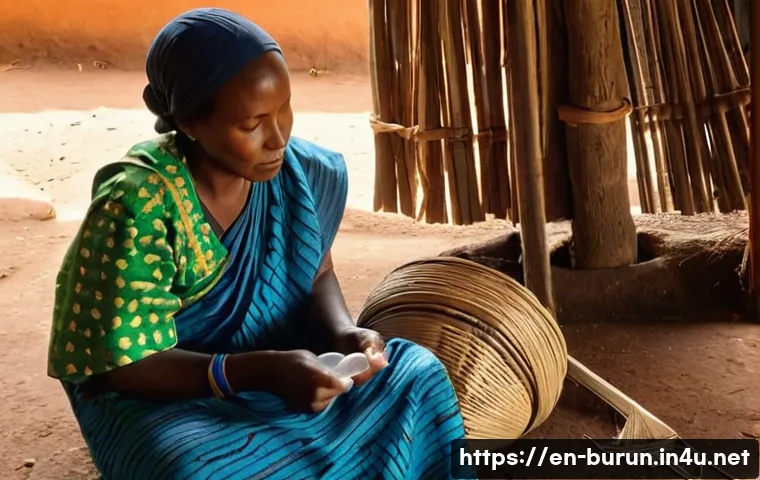
One of the most impactful ways to practice responsible tourism in Burundi is by consciously supporting local businesses. Instead of gravitating towards international brands, seek out local markets, shops, and restaurants. Buy your souvenirs directly from the artisans who craft them – whether it’s intricate baskets, vibrant fabrics, or traditional drums. This ensures that your money directly benefits the people who create these beautiful items and helps preserve traditional crafts. I love striking up conversations with vendors; you often learn so much about their craft and their lives. It’s more than just a transaction; it’s a cultural exchange. Eating at small, locally-owned eateries also introduces you to authentic Burundian flavors and supports local families. These choices, though seemingly small, collectively contribute significantly to the economic empowerment of the community you’re visiting.
Environmental Awareness and Conservation
Beyond cultural and economic considerations, responsible travel also means being mindful of your environmental footprint. Burundi boasts incredible natural beauty, from the shores of Lake Tanganyika to its lush national parks, and it’s our responsibility as travelers to help preserve it. This means minimizing waste – carrying a reusable water bottle is a must for me, and I try to avoid single-use plastics wherever possible. Properly disposing of trash, or better yet, carrying out what you carry in, is crucial, especially when visiting natural attractions. When exploring wildlife, maintain a respectful distance and never disturb the animals or their habitats. Supporting eco-friendly tour operators, if available, is another excellent way to ensure your adventures are sustainable. Every small action contributes to protecting these precious environments for future generations of travelers and for the local communities who depend on them. It’s about leaving only footprints and taking only memories.
Beyond the Basics: Preparing for the Unexpected
As much as we plan and prepare, travel, especially to unique destinations, often throws a curveball or two. This is where my “expect the unexpected” mindset really comes into play. It’s not about being negative; it’s about being adaptable and resilient. One of the most important things I’ve learned is the value of flexibility. Things might not always go according to schedule – a bus might be delayed, a restaurant closed, or a road unexpectedly impassable. Instead of getting frustrated, which I used to do, I’ve learned to breathe, re-evaluate, and find an alternative. Sometimes, these unexpected detours lead to the most incredible discoveries. Having a contingency fund is also a non-negotiable for me; a little extra cash set aside for unexpected expenses like an extra night’s accommodation, an emergency flight change, or an unplanned tour can be a lifesaver. This mindset, combined with solid preparation, allows you to truly embrace the adventure, knowing you have a safety net for those inevitable bumps in the road.
Managing Travel Delays and Changes
I can’t count the number of times I’ve had my travel plans completely upended – delayed flights, cancelled tours, you name it. In Burundi, where infrastructure might not always be as robust as you’re used to, these things can happen. My best advice? Build in some buffer time. Don’t schedule back-to-back activities with no wiggle room. If you’re flying out, aim to be in the departure city a day early if possible. Always have a good book or some offline entertainment for those inevitable waiting periods. And most importantly, keep a positive attitude. Panicking or getting angry rarely helps the situation and only makes you more stressed. I’ve found that a calm, problem-solving approach, often involving a friendly chat with locals or other travelers, can often lead to creative solutions or even new, unexpected opportunities. Sometimes, the detours are where the real adventure begins!
Having Comprehensive Travel Insurance
If there’s one piece of advice I’d shout from the rooftops, it’s this: get comprehensive travel insurance. Seriously. It’s not an expense; it’s an investment in your peace of mind. I once had a minor medical issue while traveling in a remote area, and without good insurance, I would have faced astronomical bills. Make sure your policy covers medical emergencies, emergency evacuation, trip cancellation or interruption, and lost luggage. Read the fine print! Understand what’s covered and what’s not. Keep your policy number and the emergency contact information easily accessible, both physically and digitally. Think of it as your safety net for those truly unforeseen circumstances. While we all hope for a smooth trip, knowing you’re covered for potential mishaps allows you to relax and fully immerse yourself in the magic of Burundi, without that nagging worry in the back of your mind.
Wrapping Things Up
And there you have it, fellow adventurers! Navigating the vibrant landscapes and rich culture of Burundi is truly an unforgettable experience, one that rewards curiosity and preparedness in equal measure. My journey through Bujumbura and beyond has taught me that while every destination presents its own unique set of considerations, a thoughtful approach to safety, health, and cultural respect can transform any challenge into an opportunity for deeper connection. Remember, travel is all about opening yourself up to new perspectives, and with these tips tucked securely in your mental toolkit, you’re not just visiting Burundi; you’re truly immersing yourself. Go forth, explore, and let the spirit of this beautiful country capture your heart, knowing you’re ready for whatever amazing moments await you.
Handy Tips for Your Burundian Adventure
1. Master a few Kirundi phrases: A simple “Mwaramutse” (good morning) or “Urakoze” (thank you) can unlock genuine smiles and make your interactions so much more meaningful. The effort is always appreciated, and it shows respect for the local culture, immediately building a friendly rapport with the Burundian people you meet. Learning even a handful of words can turn a simple transaction into a memorable cultural exchange, making your trip feel much more personal and enriching.
2. Embrace flexibility: Things might not always run exactly on time or as planned. Buses can be delayed, and impromptu events might pop up. Instead of getting stressed, take a deep breath and go with the flow. Sometimes, these unexpected detours lead to the most incredible discoveries or the most authentic experiences you wouldn’t have found otherwise. Keeping an open mind is key to enjoying the spontaneity that often accompanies travel in this region.
3. Carry small denominations of BIF: While USD might be accepted in larger hotels, having plenty of Burundian Francs in smaller notes is crucial for local markets, street vendors, and smaller eateries. This makes transactions smoother and helps you avoid issues with change. It’s frustrating to hold up a line or miss out on a purchase because you only have large bills, so plan your cash withdrawals accordingly for daily expenses.
4. Pack a universal adapter and power bank: Electricity can be intermittent, especially outside major urban centers like Bujumbura. A reliable power bank ensures your phone and other devices stay charged, keeping you connected and allowing you to capture those precious memories. A universal adapter is also a lifesaver for all your electronics, making sure you’re always ready to plug in, no matter where you find an outlet.
5. Engage with local guides: For deeper insights into Burundi’s history, culture, and natural beauty, consider hiring a local guide. Not only do they offer invaluable knowledge and context, but it’s also a fantastic way to support the local economy and gain perspectives that you simply can’t get from a guidebook. Their stories and personal experiences will enrich your understanding of the country far beyond what you could learn on your own.
Key Takeaways for a Smooth Journey
To truly thrive in Burundi, remember these core principles: prioritize your personal safety by staying aware of your surroundings and securing your valuables, especially in crowded areas. Always consult a travel doctor well in advance for necessary vaccinations and malaria prevention, making your health a non-negotiable priority. Cultivate financial prudence by carrying a mix of local currency and backup funds, and always inform your bank of your travel plans to avoid card issues. Lastly, embrace cultural sensitivity – a respectful demeanor and an open heart will open doors to authentic connections and ensure you leave a positive impression on the communities you encounter. Armed with these insights, you’re not just prepared; you’re set to create incredible, responsible, and truly unforgettable memories in the heart of Africa.
Frequently Asked Questions (FAQ) 📖
Q: What’s the real deal with safety in Burundi, beyond what the headlines say? I’m dreaming of exploring, but the general travel advisories make me a bit nervous!
A: Oh, I totally get that feeling! When you’re looking at a destination as unique and captivating as Burundi, it’s natural for those official travel advisories to make you pause.
Trust me, I’ve been there, sifting through information that sometimes feels overly cautious. My take? Burundi is a place that calls for informed, respectful, and prepared travel, rather than outright fear.
While I’ve personally found the Burundian people incredibly warm and welcoming, it’s also true that there are certain realities you need to be aware of.
Security-wise, yes, you’ll see advisories mentioning political tensions, occasional civil unrest, and even a risk of terrorism. From what I’ve experienced and learned, these concerns often center around specific regions, particularly border areas near the Democratic Republic of Congo, and places like Kibira National Park or certain parts of Bujumbura Rural province.
You’ll also hear about the possibility of violent crimes, things like muggings, carjackings, and even grenade attacks, which regrettably do happen. My golden rule here is to always, always check the absolute latest updates from your home country’s travel department before you go and throughout your trip.
Beyond that, I can’t stress enough how vital it is to hire a reputable local guide or tour operator. They are your eyes and ears on the ground, truly understanding the fluid situation and knowing which areas are currently best to avoid.
They’ll help you navigate away from any large gatherings or demonstrations that could turn unpredictable, ensuring your adventure stays safe and focused on the wonders around you.
The key isn’t to let these warnings deter you from experiencing Burundi’s incredible beauty, but rather to empower you to travel smart. Think of it as enhancing your travel senses – being aware of your surroundings, especially after dark, and having that local expertise to lean on.
It’s about being proactive and prepared, not paralyzed by worry.
Q: Beyond general security, what health precautions are absolutely essential for a trip to Burundi, especially since I’ve heard medical facilities can be limited?
A: This is such a crucial question, and honestly, it’s where “proactive” turns into “paramount” for a Burundian adventure! I’ve learned that a little bit of health prep goes a long way, especially when you’re exploring regions where medical infrastructure might not be what you’re used to back home.
First things first: vaccinations are non-negotiable. A Yellow Fever vaccination certificate isn’t just recommended, it’s often mandatory for entry, so make sure that’s sorted well in advance.
Beyond that, seriously chat with your doctor about recommended shots like Hepatitis A and B, Typhoid, and ensuring all your routine vaccinations are up to date.
I’d also strongly suggest discussing anti-malarial medication; malaria is present year-round, and trust me, you don’t want to deal with that on your trip.
Now, for daily precautions, I’ve found that vigilance around food and water is your best friend. Sticking to bottled or boiled water is a must – consider all tap water unsafe.
That means being mindful of ice in drinks too! When it comes to food, aim for well-cooked meals and avoid raw salads, especially outside major hotels.
I’ve personally been extra cautious with street food, though it can be tempting! Don’t forget those pesky mosquitoes; they’re not just annoying, they carry diseases like malaria and dengue.
So, pack a good insect repellent (one with DEET usually does the trick!), wear long sleeves and pants, especially at dawn and dusk, and sleep under a mosquito net if provided.
The part about medical facilities being limited is true, particularly outside of Bujumbura. This isn’t to scare you, but to emphasize how critical it is to have comprehensive travel insurance that includes emergency medical evacuation.
In a serious situation, you might need to be transported to a hospital in a neighboring country like Kenya or Rwanda, and that’s not something you want to pay for out of pocket.
Pack a basic medical kit with essentials – pain relievers, band-aids, antiseptic, and any personal prescription medications (with enough for your entire trip, plus a buffer).
Better safe than sorry, right? Taking these steps will allow you to explore with peace of mind, knowing you’ve done everything to protect your well-being.
Q: What are the best ways to get around safely in Burundi, and what should I keep in mind when interacting with locals to ensure a smooth and respectful trip?
A: Navigating daily life in a new country is always part of the adventure, and in Burundi, it’s about a blend of caution and open-hearted engagement. When it comes to getting around, I’ve personally found that relying on trusted resources is paramount.
Self-driving outside of Bujumbura isn’t something I’d recommend; the road conditions can be challenging, driving habits are, let’s say, ‘spirited,’ and official emergency services can be slow to respond.
Plus, you might encounter roadblocks, some official, some less so. My go-to advice? Hire a reputable local driver or arrange transport through your tour operator.
They know the roads, the local nuances, and can ensure you travel during daylight hours, which is strongly advised for safety. Inside Bujumbura, taxis are generally available, but always agree on the fare beforehand to avoid any surprises.
Now, for interacting with locals – this is where the real magic of travel happens, and Burundians are truly known for their warmth and hospitality. My biggest tip is to approach every interaction with genuine respect and an open mind.
A simple “Mwaramutse” (good morning) or “Amakuru” (how are you) can go a long way! While generally friendly, being aware of local customs is important.
For instance, photography: be respectful. It’s best to always ask permission before taking someone’s picture, and definitely avoid snapping photos of government buildings, military sites, or airports.
There are strict rules around these, and you don’t want to unintentionally cause any issues. Petty crime, like pickpocketing or bag snatching, can occur in crowded areas, just like in many cities worldwide.
I always advise keeping valuables out of sight, avoiding flashy displays of wealth, and not carrying large amounts of cash. Use hotel safes for your passport and extra money, and only carry what you need for the day.
And a bit of common sense: avoid walking alone after dark, even in city centers. This isn’t about fear, but smart, responsible adventuring. By choosing reliable transport, being culturally sensitive, and taking a few basic precautions, you’ll find that connecting with the Burundian people and experiencing their vibrant culture will be one of the most rewarding parts of your journey!