Unveiling Burundi’s Tumultuous Past: Key Historical Moments That Shaped a Nation

webmaster

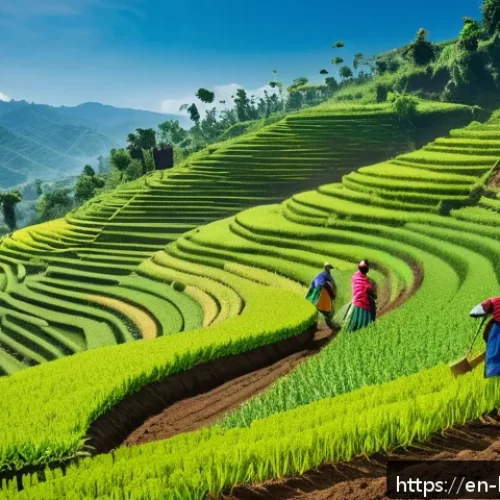
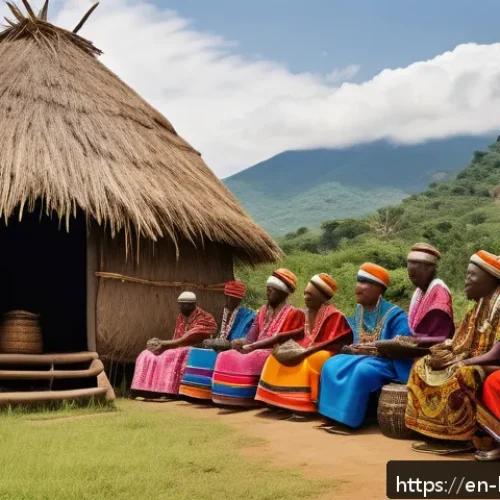
부룬디의 역사적 사건 - A vibrant scene depicting a traditional Burundian royal court from the pre-colonial era, featuring t...

In recent years, Burundi has quietly reemerged on the global stage, prompting many to look deeper into its complex history. Understanding the key moments that have shaped this nation offers crucial insights into its current challenges and aspirations.

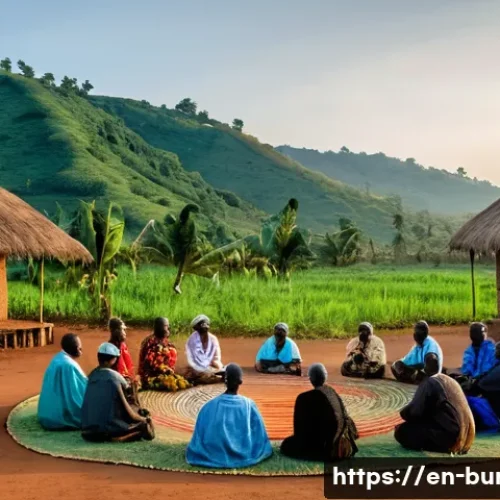
부룬디의 역사적 사건 관련 이미지 1

From colonial struggles to post-independence conflicts, Burundi’s past is a tapestry of resilience and transformation. Join me as we explore the pivotal events that continue to influence Burundi’s identity today, shedding light on a story often overlooked but undeniably important.

Whether you’re curious about African history or seeking to grasp global dynamics, this journey promises to be both eye-opening and enriching.

The Roots of Cultural Identity and Colonial Impact

Pre-colonial Social Structures and Traditions

Before colonial powers arrived, Burundi was a kingdom with a rich and complex social structure. The monarchy played a central role, with the mwami (king) holding significant spiritual and political authority.

Society was organized around clans and lineages, with a strong emphasis on communal cooperation and agricultural productivity. Oral traditions and cultural rituals helped maintain social cohesion, reinforcing a shared identity among diverse ethnic groups.

Understanding this pre-colonial foundation is essential because it sets the stage for how later external forces disrupted and reshaped Burundi’s societal fabric.

Colonial Rule and Its Lasting Legacies

The arrival of German and later Belgian colonialists imposed drastic changes on Burundi’s political and social landscape. Colonial administrators restructured governance, often favoring certain ethnic groups over others, which sowed seeds of division and inequality.

The introduction of Western education, Christianity, and economic exploitation altered traditional ways of life. These policies, especially the Belgian practice of indirect rule through local chiefs, intensified ethnic tensions that would later erupt into conflicts.

From my reading and discussions with scholars, it’s clear that colonialism left scars that Burundi continues to grapple with today.

Resistance and Adaptation During Colonial Times

Despite oppressive colonial policies, Burundians showed remarkable resilience. Various forms of resistance emerged, from subtle cultural preservation to active uprisings against colonial authorities.

Local leaders and communities adapted by blending traditional practices with new influences, finding ways to maintain autonomy and identity under foreign rule.

This period was not just about suffering but also about survival and the strategic navigation of change, laying groundwork for future nationalistic movements.

Advertisement

Post-Independence Struggles and Nation Building

The Challenges of Early Independence

When Burundi gained independence in 1962, hopes ran high for a peaceful and prosperous future. However, the young nation faced immediate hurdles, including political instability, ethnic rivalries, and economic difficulties.

The transition from a colonial system to self-rule was fraught with tension as various factions vied for power. I’ve found that early independence was marked by fragile attempts to unite the country while addressing deep-rooted disparities and grievances that colonial rule had exacerbated.

Cycles of Political Violence and Ethnic Conflict

Burundi’s post-independence history is marked by repeated cycles of violence, often along ethnic lines between the Hutu and Tutsi communities. Political assassinations, coups, and massacres disrupted social order and hindered development.

These conflicts were not simply ethnic disputes but were deeply intertwined with struggles for political control and economic resources. The human toll has been devastating, with generations affected by trauma and displacement.

Reflecting on this, it’s evident that the path to stability requires addressing both political inclusion and reconciliation.

Efforts Toward Reconciliation and Peacebuilding

Despite the turbulent past, Burundi has made notable attempts to heal wounds and foster national unity. Peace agreements, truth commissions, and community dialogues have played important roles in bridging divides.

International support and local initiatives aimed at rebuilding trust demonstrate a collective desire to move beyond conflict. While challenges remain, these efforts highlight the resilience and hope within Burundian society, which I find inspiring given the country’s complex history.

Advertisement

The Role of Regional Dynamics and International Relations

Influence of Neighboring Countries

Burundi’s geopolitical position in East Africa means its history and stability are closely linked to its neighbors. Regional conflicts, refugee flows, and cross-border alliances have all influenced internal dynamics.

For instance, the Rwandan genocide and ongoing tensions in the Great Lakes region have had spillover effects. Understanding these interactions is crucial because Burundi’s fate is not isolated but intertwined with broader regional developments, making cooperation and diplomacy vital.

International Aid and Diplomatic Engagement

International organizations and foreign governments have played significant roles in Burundi’s development and peace processes. Aid programs target health, education, and infrastructure, while diplomatic efforts support conflict resolution.

However, the effectiveness of these interventions varies, sometimes hampered by political complexities or mistrust. From my observations, sustainable progress depends on partnerships that respect local contexts and empower Burundian voices rather than imposing external agendas.

Economic Integration and Challenges

Efforts to integrate Burundi into regional economic communities aim to boost trade and investment, fostering growth and reducing poverty. Yet, infrastructural deficits, governance issues, and security concerns present obstacles.

Balancing economic development with social stability is a delicate task. I’ve seen that successful integration requires strategic planning and inclusive policies to ensure that benefits reach all layers of society.

Advertisement

Social Evolution and Cultural Renaissance

Revival of Traditional Arts and Practices

In recent years, there has been a noticeable resurgence in celebrating Burundi’s cultural heritage through music, dance, and crafts. This renaissance serves as a source of pride and identity, helping to unify communities.

Traditional art forms are not only preserved but also adapted to contemporary contexts, appealing to younger generations. Experiencing Burundian culture firsthand, I was struck by how vibrant and meaningful these expressions remain despite past disruptions.

Education and Youth Empowerment

Education plays a pivotal role in shaping Burundi’s future, with increased focus on expanding access and improving quality. Youth programs aim to equip the next generation with skills and knowledge to contribute positively to society.

Given Burundi’s youthful population, investing in education is critical for social and economic transformation. From conversations with educators, the enthusiasm among young Burundians to drive change is palpable, signaling hope for sustained progress.

Gender Roles and Social Change

Traditional gender roles in Burundi have been evolving, with women increasingly participating in public life, politics, and the economy. While challenges persist, such as inequality and social expectations, initiatives promoting women’s rights and leadership are gaining momentum.

Observing local communities, I’ve noticed that empowering women not only benefits families but also strengthens societal resilience and development.

Advertisement

Environmental Factors and Sustainable Development

Impact of Climate and Geography

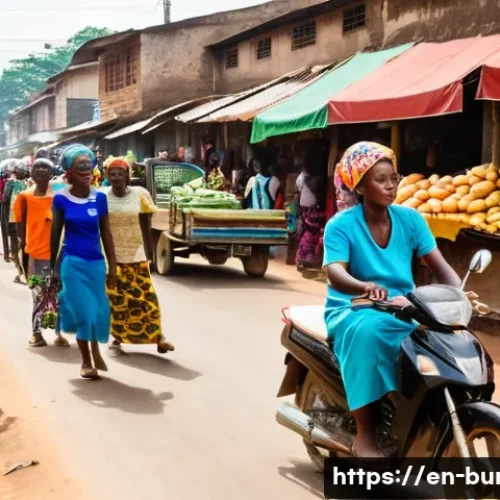
부룬디의 역사적 사건 관련 이미지 2

Burundi’s diverse landscape, from highlands to lakeshores, shapes the livelihoods of its people but also presents environmental vulnerabilities. Soil erosion, deforestation, and changing weather patterns affect agriculture, the backbone of the economy.

Living in regions with similar challenges, I can relate to the urgency of addressing these environmental concerns to safeguard food security and community well-being.

Conservation Efforts and Community Involvement

Local and national initiatives aim to protect natural resources while promoting sustainable practices. Community-based conservation projects engage residents in reforestation, wildlife protection, and sustainable farming.

These efforts show promise in balancing ecological preservation with economic needs. From what I’ve learned, success hinges on inclusive approaches that value traditional knowledge alongside scientific methods.

Renewable Energy and Infrastructure Development

Investments in renewable energy sources like hydroelectric and solar power are underway to address energy shortages and reduce environmental impact. Infrastructure improvements support broader development goals, including access to clean water and transportation.

As someone interested in sustainable development, I see these steps as vital for Burundi’s long-term resilience and growth.

Advertisement

Key Historical Moments at a Glance

Year Event Significance
1916 Belgian Colonial Rule Begins Marked the start of European control and restructuring of Burundian society
1962 Independence from Belgium End of colonial rule and beginning of self-governance
1972 Massacres and Ethnic Violence Deepened ethnic divisions and caused widespread loss of life
1993 Assassination of First Hutu President Triggered civil war and prolonged conflict
2005 Peace Agreement Signed Initiated reconciliation and political stability efforts
2015 Political Crisis and Protests Highlighted ongoing challenges in governance and democracy
Advertisement

Modern-Day Burundi: Hopes and Hurdles

Economic Development and Innovation

Burundi is gradually embracing innovation in agriculture, technology, and entrepreneurship as pathways to economic growth. Small businesses and startups are emerging despite resource limitations, driven by a resilient and creative population.

Observing these developments, I’m optimistic about how local ingenuity can overcome structural challenges with the right support.

Political Landscape and Governance

The political scene remains complex, with ongoing debates about democracy, human rights, and power-sharing. Efforts to strengthen institutions and promote transparency are underway, though progress is often uneven.

From various reports and interviews, it’s clear that political stability is crucial for attracting investment and ensuring social peace.

Social Cohesion and National Identity

Building a unified national identity that embraces diversity is a continuing project in Burundi. Cultural initiatives, education, and dialogue are essential tools in this process.

I’ve noticed that fostering empathy and mutual understanding among communities is key to healing historical wounds and forging a shared future.

Advertisement

Lessons from Burundi’s Journey

The Power of Resilience

Throughout its history, Burundi has shown an extraordinary ability to endure hardship and adapt. This resilience is not just a survival mechanism but a source of strength that inspires hope for a better tomorrow.

Learning from these stories reminds us of the human capacity to rebuild and transform, even under difficult circumstances.

Importance of Inclusive Governance

The country’s experiences underscore how inclusive political systems can prevent conflict and promote stability. Representing all voices and addressing historical grievances are fundamental to sustainable peace.

From my perspective, this lesson applies broadly, reinforcing the value of equity and justice in nation-building.

Global Awareness and Support

Burundi’s story highlights the importance of global engagement that respects local realities. International partnerships should focus on empowerment rather than dependency, fostering self-reliance and dignity.

This approach resonates with me personally, emphasizing how genuine solidarity can make a meaningful difference.

Advertisement

Conclusion

Burundi’s history is a testament to resilience amid profound challenges. Its journey through colonial impact, conflict, and recovery reveals a nation striving to reclaim identity and unity. While obstacles remain, the ongoing efforts toward peace, development, and inclusion inspire hope for a brighter future. Understanding this complex story helps us appreciate the strength and spirit of the Burundian people.

Advertisement

Useful Information to Keep in Mind

1. Burundi’s pre-colonial society was deeply rooted in clan structures and cultural traditions that shaped its identity long before external influences arrived.

2. Colonial rule introduced divisions and inequalities that have had lasting effects on political and social dynamics.

3. Post-independence periods have been marked by cycles of ethnic conflict and political instability, requiring ongoing reconciliation efforts.

4. Regional and international relationships significantly influence Burundi’s stability and development prospects.

5. Recent cultural revival, youth empowerment, and environmental initiatives highlight positive trends toward sustainable growth and social cohesion.

Key Takeaways

Burundi’s experience underscores the critical importance of embracing inclusive governance to foster lasting peace and stability. Its path shows that resilience and adaptation are vital in overcoming adversity. Furthermore, meaningful international support must prioritize local empowerment to ensure sustainable development. Recognizing these lessons can guide not only Burundi but also other nations facing similar challenges toward a more hopeful and unified future.

Frequently Asked Questions (FAQ) 📖

Q: What were the major historical events that shaped Burundi’s political landscape?

A: Burundi’s political landscape has been profoundly influenced by several key events. The colonial era under German and then Belgian rule set the stage for ethnic divisions by favoring the Tutsi minority over the Hutu majority, sowing seeds of tension.
After gaining independence in 1962, the nation faced cycles of violence and political upheaval, including multiple coups and ethnic conflicts, notably the tragic civil war from 1993 to 2005.
These moments have left deep scars but also demonstrate Burundi’s resilience and ongoing efforts toward reconciliation and stability.

Q: How have Burundi’s ethnic dynamics affected its history and current challenges?

A: Ethnic dynamics between the Hutu and Tutsi groups have been central to Burundi’s history and continue to influence its present-day challenges. Colonial powers exacerbated divisions by institutionalizing ethnic hierarchies, which later fueled violent clashes and civil wars.
Although peace agreements have been signed, and power-sharing arrangements are in place, ethnic tensions occasionally resurface, impacting political stability and social cohesion.
Understanding these dynamics is essential to grasp the complexities behind Burundi’s path to peace and development.

Q: Why is it important to study Burundi’s history in today’s global context?

A: Studying Burundi’s history offers valuable insights into how colonial legacies and ethnic conflicts shape modern nations, especially in Africa. Burundi’s story highlights the challenges of nation-building, reconciliation, and development after prolonged conflict.
For those interested in global affairs, it underscores the importance of international support for peace processes and sustainable growth. Moreover, learning about Burundi helps break stereotypes and brings attention to a country often overlooked but rich in culture and determination.

📚 References


➤ Link

– Google Search

➤ Link

– Bing Search

➤ Link

– Google Search

➤ Link

– Bing Search

➤ Link

– Google Search

➤ Link

– Bing Search

➤ Link

– Google Search

➤ Link

– Bing Search

➤ Link

– Google Search

➤ Link

– Bing Search

➤ Link

– Google Search

➤ Link

– Bing Search

➤ Link

– Google Search

➤ Link

– Bing Search

➤ Link

– Google Search

➤ Link

– Bing Search

➤ Link

– Google Search

➤ Link

– Bing Search