The Burundian civil war, which spanned over a decade, left deep scars on the nation’s social and political fabric. Rooted in ethnic tensions and historical grievances, the conflict disrupted millions of lives and challenged regional stability.

Despite the chaos, a series of peace processes gradually paved the way for reconciliation and rebuilding. Understanding these efforts sheds light on how fragile peace can be nurtured in conflict zones.
The journey from violence to dialogue offers valuable lessons for global peacebuilding initiatives. Let’s dive deeper into the complexities and breakthroughs of Burundi’s path to peace!
Ethnic Divides and Historical Roots of Conflict
The Legacy of Colonial Policies
The seeds of tension in Burundi were largely sown during the colonial era, when Belgian rulers implemented policies that exacerbated ethnic divisions between the Hutu and Tutsi groups.
By favoring one ethnic group over the other in administrative roles and education, the colonial administration deepened mistrust and resentment that lingered long after independence.
This historical backdrop created a powder keg of social animosities, which later erupted into violent confrontations. Understanding this colonial legacy is crucial because it reveals how externally imposed structures can fracture societies and fuel conflicts that span decades.
Ethnic Identity and Political Power Struggles
As Burundi moved into independence, the struggle for political dominance became tightly interwoven with ethnic identity. The Tutsi minority often controlled key government positions, while the Hutu majority sought greater representation and rights.
This imbalance led to cycles of violence as each group feared marginalization or persecution. The complex interplay of ethnicity and politics made it difficult to build inclusive governance systems, with each episode of violence deepening the divide.
These tensions made national unity a fragile and elusive goal for many years.
Social Impact on Communities
The conflict’s ethnic dimension tore through the social fabric of Burundi’s communities. Families were divided, neighbors turned against each other, and social trust broke down.
Daily life was marked by fear and uncertainty, with people often caught between loyalty to their ethnic group and desire for peace. This fragmentation hindered efforts to rebuild after each wave of violence, as reconciliation required confronting painful histories and deep-seated grievances.
The long-lasting social scars illustrate how ethnic conflicts extend beyond political arenas to disrupt the very foundation of communal life.
Negotiating Peace Amidst Deep Mistrust
Early Attempts at Dialogue
Initial peace talks were met with skepticism from all sides, given the deep wounds and history of betrayals. Early negotiations often faltered because parties entered with maximalist demands and little willingness to compromise.
However, these attempts were important as they laid groundwork for future talks by establishing communication channels and identifying common ground. The involvement of neutral third parties helped facilitate dialogue, bringing fresh perspectives that encouraged cautious optimism.
These early efforts underscore the challenge of turning entrenched conflict into constructive conversation.
Role of Regional and International Mediators
The involvement of neighboring countries and international organizations proved pivotal in nudging the peace process forward. Regional actors, who shared a vested interest in stability, provided mediation and guarantees that helped build trust.
International bodies contributed resources, expertise, and legitimacy to the talks. Their ability to pressure spoilers and offer incentives made it possible to move beyond deadlock.
This external support was not without complications, but it demonstrated how multi-level engagement can be crucial in resolving protracted conflicts.
Building Trust Through Incremental Agreements
Rather than aiming for a comprehensive peace deal all at once, negotiators focused on smaller, achievable agreements that gradually built confidence. These included ceasefire arrangements, prisoner exchanges, and mechanisms to prevent violence.
By delivering tangible benefits and demonstrating commitment, these steps helped reduce hostilities and create a foundation for deeper negotiations. This incremental approach showed that peace is not a single event but a process requiring patience, flexibility, and continuous effort.
Reconciliation and Social Healing
Truth-Telling and Acknowledgment of Suffering
One of the most difficult aspects of Burundi’s peace journey was encouraging victims and perpetrators to confront past atrocities. Truth commissions and public forums provided spaces for survivors to share their stories, fostering empathy and acknowledgment.
This process was painful but necessary to break cycles of denial and silence. It allowed communities to recognize shared humanity and the collective trauma that needed healing.
The courage of individuals to come forward played a vital role in paving the way for reconciliation.
Community-Based Reconciliation Initiatives
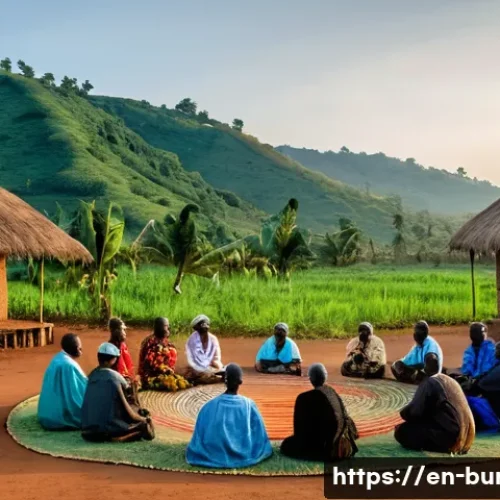
Local-level peacebuilding efforts complemented national programs by addressing conflicts in neighborhoods and villages. These initiatives often involved traditional leaders and grassroots organizations working to restore relationships through dialogue, ceremonies, and mutual support activities.
By focusing on daily interactions and rebuilding trust in small groups, these projects helped mend the social fabric from the ground up. Their success highlighted the importance of culturally sensitive approaches that resonate with local realities.
Challenges in Overcoming Historical Grievances
Despite progress, overcoming deeply embedded grievances proved to be an ongoing challenge. Issues such as land disputes, memories of massacres, and feelings of injustice persisted, threatening to reignite tensions.
The reconciliation process required continuous vigilance to prevent relapse into violence. It became clear that healing historical wounds is a generational effort, requiring sustained commitment from both leaders and citizens.
This reality reminds us that peacebuilding is as much about nurturing trust and hope as it is about political agreements.
Power-Sharing and Political Reforms
Designing Inclusive Governance Structures
In response to the ethnic conflict, Burundi’s peace agreements included provisions for power-sharing that aimed to balance representation among ethnic groups.
These arrangements sought to prevent dominance by any single group and ensure that all voices were included in decision-making. While imperfect, this approach helped reduce fears of exclusion and provided a framework for cooperative governance.
The design of these political structures was informed by lessons from past failures, emphasizing the need for fairness and checks against abuse of power.
Implementation and Obstacles
Turning power-sharing agreements into reality encountered numerous obstacles, including resistance from hardliners, logistical challenges, and occasional violence.
Implementing reforms required strong political will and ongoing negotiation to address emerging disputes. The process was often slow and fraught with setbacks, yet each step forward reinforced the commitment to peace.

The experience demonstrated that political reforms must be adaptable and supported by broad societal consensus to be sustainable.
Impact on National Stability
The introduction of inclusive political frameworks contributed significantly to stabilizing Burundi’s political landscape. By providing mechanisms for dialogue and conflict resolution within formal institutions, the country reduced reliance on armed confrontation.
This shift allowed for more predictable governance and opened space for economic development and social programs. While challenges remain, the progress made shows how structural reforms can transform conflict dynamics and create opportunities for long-term peace.
Economic Recovery and Development Post-Conflict
Rebuilding Infrastructure and Services
Years of war devastated Burundi’s infrastructure, leaving roads, schools, and hospitals in ruins. Post-conflict recovery efforts prioritized rebuilding these essential services to restore normalcy and support livelihoods.
International aid and government programs focused on repairing transportation networks, reopening educational institutions, and improving healthcare access.
These projects not only created jobs but also symbolized hope and progress, fostering a sense of shared investment in the country’s future.
Addressing Poverty and Unemployment
Conflict had exacerbated poverty and unemployment, which in turn fueled social unrest. Recovery strategies emphasized economic inclusion, job creation, and support for small businesses.
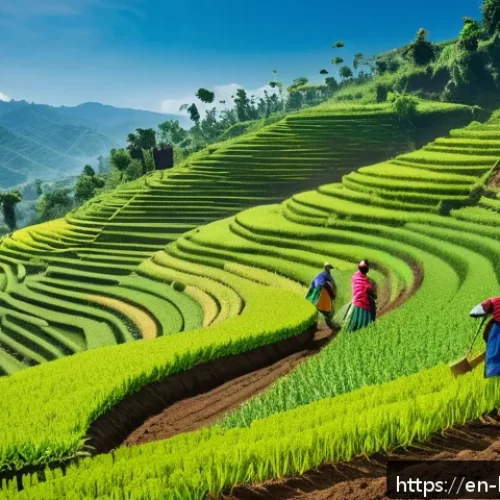
Agricultural development was a key focus, given its importance to the majority of Burundians. By improving productivity and market access, these initiatives aimed to enhance food security and incomes.
Personal experience with similar post-conflict contexts suggests that economic empowerment is essential for consolidating peace and preventing relapse into violence.
Challenges in Sustaining Growth
Despite progress, Burundi faced ongoing challenges in sustaining economic growth. Political instability, limited resources, and regional economic pressures constrained development.
Moreover, unequal distribution of benefits risked reigniting tensions. Addressing these issues required coordinated policies that balanced growth with equity and social cohesion.
The experience underscored how economic recovery in post-conflict settings is complex and must be integrated with broader peacebuilding efforts.
International Support and Lessons Learned
Role of Peacekeeping and Monitoring Missions
International peacekeeping forces played a crucial role in maintaining security during fragile ceasefires and preventing renewed violence. Their presence provided a buffer that allowed political processes to unfold with less fear of immediate conflict.
Monitoring missions also helped verify compliance with agreements and build confidence among parties. However, their effectiveness depended on clear mandates and cooperation with local actors.
This experience highlights the importance of well-designed international interventions tailored to specific conflict contexts.
Long-Term Commitment Beyond Ceasefires
A key lesson from Burundi’s peace process is that ending active hostilities is only the beginning. Sustainable peace requires long-term engagement in institution-building, social healing, and economic development.
International donors and partners need to align their support with these broader goals rather than focus solely on short-term security. This comprehensive approach helps address root causes and creates conditions for lasting stability.
Applying Burundi’s Experience Globally
Burundi’s journey offers valuable insights for other conflict-affected regions. It shows the importance of inclusive dialogue, incremental trust-building, and addressing social grievances alongside political reforms.
The integration of traditional and modern peacebuilding methods demonstrates the need for culturally relevant solutions. While no two conflicts are identical, the principles of patience, persistence, and multi-stakeholder involvement resonate universally in peace efforts.
| Aspect | Challenges | Strategies Employed | Outcomes |
|---|---|---|---|
| Ethnic Tensions | Deep-rooted mistrust and violence | Power-sharing agreements, community dialogues | Reduced ethnic-based violence, improved representation |
| Political Instability | Repeated coups, exclusionary politics | Inclusive governance reforms, regional mediation | More stable government, ongoing political negotiations |
| Social Fragmentation | Broken trust, trauma | Truth commissions, reconciliation initiatives | Gradual social healing, stronger community bonds |
| Economic Devastation | Destroyed infrastructure, poverty | Reconstruction projects, agricultural support | Improved services, increased employment |
| International Engagement | Security risks, limited mandates | Peacekeeping missions, long-term aid | Maintained ceasefires, sustained development support |
Conclusion
The journey toward peace in Burundi highlights the complexity of resolving deep-rooted ethnic conflicts. Despite numerous challenges, progress has been made through dialogue, inclusive governance, and community healing. This experience reminds us that sustainable peace requires patience, trust-building, and a commitment from all stakeholders. Ultimately, Burundi’s story offers valuable lessons for conflict resolution worldwide.
Useful Information to Know
1. Colonial-era policies often sowed seeds of ethnic tensions that lasted generations.
2. Inclusive power-sharing can reduce fears of marginalization and prevent cycles of violence.
3. Truth-telling and grassroots reconciliation are vital for healing social divisions.
4. Economic recovery must focus on both infrastructure rebuilding and job creation to sustain peace.
5. International support works best when it combines security efforts with long-term development aid.
Key Takeaways
Understanding Burundi’s conflict resolution highlights the importance of addressing historical grievances alongside political reforms. Peace processes benefit from incremental agreements that build trust rather than aiming for all-encompassing deals at once. Local reconciliation initiatives, supported by inclusive governance and sustained economic development, create a foundation for lasting stability. Moreover, the role of regional and international actors proves essential in facilitating dialogue and maintaining security during fragile transitions. These lessons emphasize that peace is a continuous, multi-layered effort requiring cooperation at all levels of society.
Frequently Asked Questions (FAQ) 📖
Q: What were the main causes of the Burundian civil war?
A: The Burundian civil war primarily stemmed from deep-rooted ethnic tensions between the Hutu and Tutsi groups, compounded by historical injustices and political exclusion.
Long-standing grievances over power-sharing and social inequalities fueled distrust and violent clashes. The colonial legacy and uneven resource distribution further aggravated these divisions, making the conflict both complex and deeply personal for many Burundians.
Q: How did the peace processes contribute to ending the conflict?
A: The peace processes played a critical role by creating platforms for dialogue and compromise among opposing factions. Over time, inclusive negotiations, often facilitated by regional and international actors, helped build trust and establish frameworks for power-sharing and disarmament.
These efforts, although slow and challenging, gradually shifted the focus from violence to cooperation, enabling the country to start healing and rebuilding its institutions.
Q: What lessons can other conflict zones learn from Burundi’s peace journey?
A: One key lesson is that sustainable peace requires patience, inclusivity, and addressing root causes rather than just surface-level issues. Burundi’s experience shows the importance of involving all stakeholders in dialogue, acknowledging historical grievances, and creating mechanisms for reconciliation.
It also highlights that peacebuilding is a long-term commitment, where setbacks are expected but persistence and local ownership ultimately pave the way for lasting stability.