Moving to a new country is always an adventure, but settling in Burundi offers a unique blend of challenges and rewards. From navigating local customs to embracing the vibrant community spirit, every day brings new learning experiences.

I’ve met people who have found unexpected opportunities and faced hurdles that tested their resilience. The warmth of the Burundian culture and the beauty of its landscapes make the journey worthwhile.
If you’re curious about what life as a foreigner in Burundi truly looks like, you’re in the right place. Let’s dive deeper and explore the realities together!
Understanding Daily Life and Local Norms
Getting Around: Transportation Insights
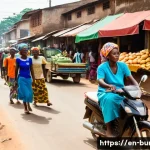
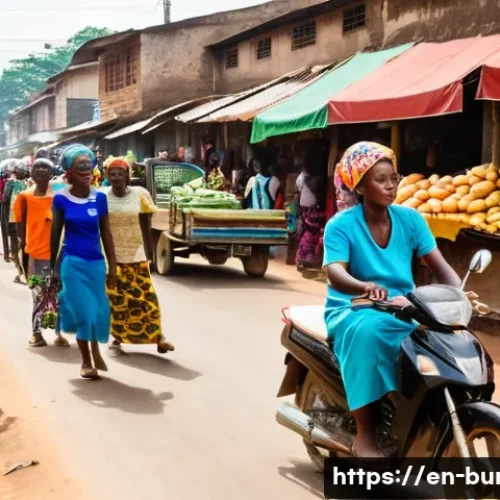
Navigating Burundi’s transportation system can be quite the adventure, especially if you’re used to more structured public transit. The most common mode of travel for locals is the motorcycle taxi, known as “moto.” It’s incredibly convenient for short distances and bustling city streets, but getting used to the speed and weaving traffic can be nerve-wracking at first.
I remember my first ride vividly—clinging on tightly, trying to keep up with the flow while soaking in the vibrant street scenes. For longer trips, minibuses called “taxi-bus” serve as shared transport, but schedules aren’t always reliable.
Patience and flexibility are essential qualities here, and having a local contact or guide can make the experience smoother. Walking is also a common way to explore neighborhoods, offering a chance to connect with the environment and meet friendly faces along the way.
Respecting Cultural Etiquette and Traditions
One thing that struck me quickly was the importance of politeness and respect in social interactions. Greetings aren’t just a quick “hello” here; they involve asking about one’s health, family, and general wellbeing—often extending to several questions before the actual conversation begins.
It’s a beautiful tradition that fosters genuine connection, but newcomers might find it time-consuming initially. Dress codes also matter, especially in rural areas and places of worship, where modesty is highly valued.
I learned to dress conservatively during community events to avoid unintentionally offending anyone. Additionally, gift-giving is appreciated when visiting homes, usually small items like coffee, sugar, or soap, which shows thoughtfulness and respect.
Understanding these nuances helps build trust and opens doors to deeper friendships.
Food and Markets: A Sensory Journey
Burundi’s markets are a feast for the senses—vivid colors, lively sounds, and enticing aromas fill the air. Fresh produce like bananas, cassava, beans, and sweet potatoes dominate local diets.
Eating out usually means sampling local dishes such as “isombe” (cassava leaves) or “brochettes” (grilled meat skewers), often enjoyed with family-style sharing.
I found that bargaining is an expected part of the shopping experience, and embracing it adds a fun, interactive element to daily errands. However, the language barrier sometimes makes it tricky, so learning basic Kirundi phrases or having a translator app handy proved invaluable.
Food hygiene can vary, so I quickly learned to choose stalls with high turnover and clean surroundings to avoid any stomach issues during those early days.
Building Relationships and Community Bonds
Connecting with Locals Through Shared Activities
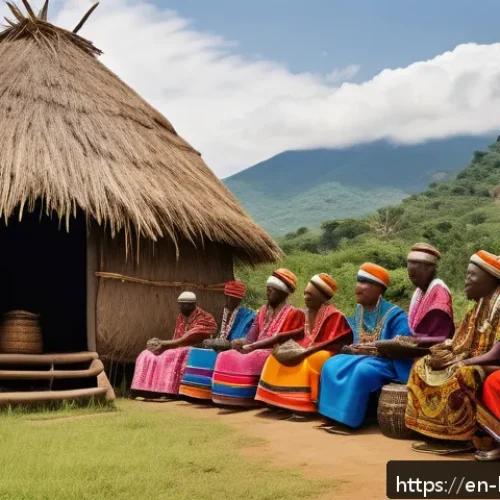
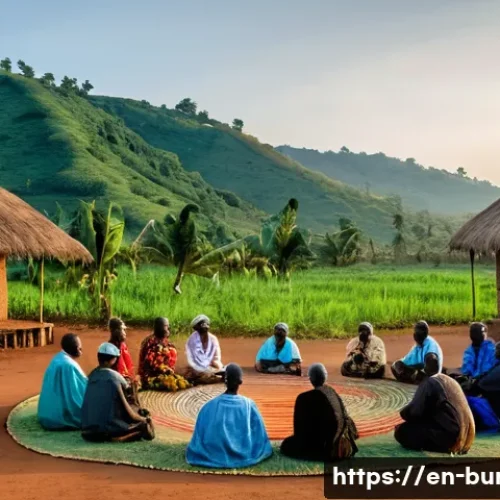
One of the most rewarding aspects of living here has been the chance to engage in community activities like dance, music, and sports. Burundians are incredibly warm and welcoming, and joining local soccer matches or traditional dance groups provided a natural way to bond.
I remember feeling nervous at first, but the genuine smiles and invitations to participate made all the difference. These experiences offered a window into the culture’s rich heritage and helped me overcome the initial sense of isolation that can come with moving abroad.
Participating actively also meant respecting customs and learning the unwritten rules of group dynamics, which deepened my appreciation for the community spirit.
Language Barriers and Communication Tips
Kirundi is the official language, but French and Swahili are also widely spoken, especially in urban areas. For someone like me with limited language skills, the first few months involved a lot of trial and error.
Locals often switch between languages, which can be confusing but also provides opportunities to learn multiple tongues simultaneously. I found that patience and a willingness to laugh at my mistakes helped break down barriers quickly.
Language apps and local language classes became essential tools, and the effort to communicate—even imperfectly—was always met with encouragement. Over time, even simple phrases like “thank you” or “good morning” opened doors to friendships and smoother daily interactions.
Support Networks for Expats and Newcomers
Finding a support network early on makes a huge difference. There are informal groups of expats and NGOs that organize social meetups, cultural exchanges, and practical workshops.
I connected with a few through social media and word of mouth, which provided not just companionship but also valuable advice on navigating bureaucracy, healthcare, and housing.
Sharing experiences with others who understand the challenges of adapting to a new environment helped reduce stress and build confidence. Moreover, locals involved in these groups often act as cultural ambassadors, offering insights that go beyond typical tourist knowledge, making the transition more manageable and enriching.
Housing and Daily Living Logistics
Finding Accommodation: What to Expect
Housing options vary widely depending on location and budget. In the capital, Bujumbura, you can find apartments ranging from basic to modern, but prices may fluctuate, so negotiation is key.
I started by renting a modest place close to the city center, which helped me stay connected to amenities and social hubs. Utilities like water and electricity can be inconsistent, so it’s common for residents to have backup solutions like water tanks or generators.
Security is another consideration; gated communities or buildings with guards are preferred by many expats. Patience and a local real estate agent’s help were invaluable in securing a safe and comfortable home that met my needs.
Managing Utilities and Services
Setting up utilities can be a slow process, often requiring multiple visits to offices and a lot of paperwork. Internet speeds vary, with mobile data often being more reliable than fixed-line connections.
I learned to rely on a combination of Wi-Fi and mobile hotspots to stay connected, especially when working remotely. Electricity outages are frequent, so investing in rechargeable lamps and power banks became a practical necessity.
Water supply is generally safe for bathing and cleaning, but bottled water is recommended for drinking. Local markets and small shops make it easy to stock up on essentials, but planning ahead is crucial to avoid last-minute shortages.
Cost of Living Snapshot
Here’s a quick breakdown of typical monthly expenses in Bujumbura, which might help those budgeting for a move:
| Expense | Average Monthly Cost (USD) | Notes |
|---|---|---|
| Rent (1-bedroom apartment) | 150 – 300 | Depends on location and amenities |
| Utilities (electricity, water, gas) | 30 – 60 | Varies; occasional outages expected |
| Internet & Mobile Data | 20 – 50 | Mobile data often more reliable |
| Groceries | 100 – 200 | Local markets offer fresh produce |
| Transportation | 30 – 60 | Mostly moto-taxis and minibuses |
| Eating Out | 50 – 100 | Local dishes and small restaurants |
Health and Safety Considerations
Access to Healthcare Services
Healthcare facilities in Burundi range from basic clinics to hospitals in larger cities, but the quality and availability of specialized care can be limited.
I quickly realized the importance of having health insurance that covers evacuation for serious emergencies. Routine check-ups and minor treatments are accessible, but for more complex medical needs, travel to neighboring countries like Rwanda or Tanzania is sometimes necessary.
Vaccinations and preventive measures against diseases such as malaria are critical, and I found local pharmacies well-stocked with essentials. Building a relationship with a trusted local doctor helped me navigate the system with more confidence.
Staying Safe and Aware
Burundi is generally safe, especially in areas frequented by expats, but it’s wise to stay alert and practice common-sense precautions. Petty crime like pickpocketing can occur in crowded places, so keeping valuables secure is a must.

Night travel is best avoided unless necessary, and it’s recommended to use trusted transport options. I always made sure to stay informed about local news and any political developments, as the country’s stability can fluctuate.
Joining expat forums and community groups provided timely updates and practical safety tips, which greatly eased my concerns.
Mental and Emotional Wellbeing
Adjusting to a new country can take a toll emotionally, and I experienced moments of homesickness and culture shock. Finding outlets like exercise, hobbies, and social gatherings helped me maintain balance.
The friendliness of locals and the beauty of Burundi’s natural surroundings offered comfort and inspiration during tougher days. I also sought out counseling services available through NGOs and expat networks, which provided professional support.
Recognizing that emotional health is as important as physical wellbeing made my stay more fulfilling and sustainable.
Work and Economic Opportunities
Job Market Overview for Expats
Finding formal employment as a foreigner can be challenging, with opportunities mostly concentrated in NGOs, international organizations, and teaching positions.
Networking is crucial; many jobs come through personal contacts rather than formal advertisements. I found that volunteering initially helped build connections and gain local experience.
The entrepreneurial spirit here is strong, and some expats successfully start small businesses catering to niche markets. Understanding local regulations, tax systems, and cultural business practices is essential to avoid pitfalls.
Patience and perseverance are key, as progress may be slower than expected.
Starting a Business in Burundi
The process of registering a business is straightforward in theory but can be complicated by bureaucracy. I learned that partnering with local professionals or consultants can smooth the way.
Popular sectors include agriculture, tourism, and retail, as the country’s economy is gradually expanding. Having a clear business plan and respecting local customs builds credibility and trust among clients and partners.
Access to finance can be limited, so many entrepreneurs rely on personal savings or microfinance institutions. Flexibility and adaptability proved vital, as market conditions and regulations can shift unexpectedly.
Financial Management and Banking
Opening a bank account requires patience and proper documentation, including proof of residency and local references. I found the banking system functional but sometimes slow, with limited online services.
Mobile money platforms like M-Pesa are increasingly popular for day-to-day transactions and offer convenient alternatives. Understanding currency exchange rates and managing cash flow carefully helped me avoid unnecessary losses.
Budgeting for unexpected expenses, such as import taxes or service fees, became a regular part of financial planning. Keeping thorough records and seeking advice from locals or other expats helped me navigate these challenges more confidently.
Exploring Nature and Leisure Activities
Discovering Burundi’s Natural Beauty
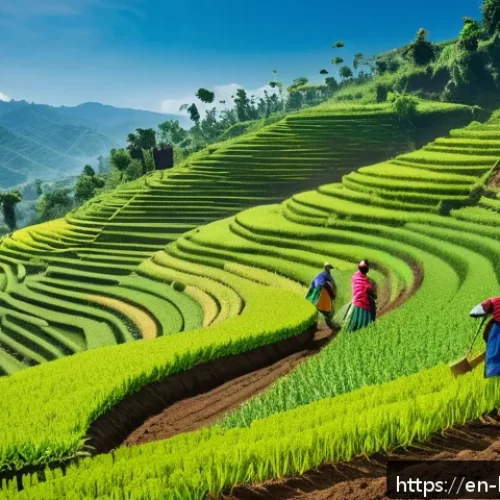
Burundi’s landscapes are stunning, from the shores of Lake Tanganyika to lush hills and national parks. I often found solace and inspiration hiking in the countryside or visiting natural reserves like Kibira Forest.
The diversity of flora and fauna is remarkable, and guided tours offered fascinating insights into conservation efforts. These escapes provide a refreshing contrast to urban life and opportunities to connect with local traditions linked to nature.
Experiencing sunrise over the lake or the vibrant birdlife made many tough days feel worthwhile.
Engaging in Local Festivals and Events
Burundi’s calendar is rich with cultural festivals that showcase music, dance, and traditional ceremonies. Attending these events gave me a deeper appreciation for the country’s heritage and a chance to celebrate alongside locals.
The annual Fête de la Jeunesse, for example, is a colorful celebration of youth and culture that draws large crowds and features performances by local artists.
Participating in such festivities encouraged me to learn traditional dances and try local cuisine, enriching my cultural immersion. These moments of joy and shared experience became some of my most cherished memories.
Recreational Opportunities and Social Life
Socializing often revolves around community gatherings, sports, and dining experiences. I joined a local volleyball team, which was not only fun but also a great way to meet people and stay active.
Cafés and small restaurants serve as popular meeting spots, where conversations flow easily over coffee or grilled fish. Expats often organize informal get-togethers to share experiences and tips.
Despite some initial loneliness, these social avenues helped me feel part of a vibrant, welcoming community. Leisure here is less about material indulgence and more about connection, nature, and shared culture.
Closing Thoughts
Living in Burundi offers a unique blend of vibrant culture, warm community, and breathtaking natural beauty. Embracing the local customs and daily rhythms enriches the experience far beyond what any guidebook can offer. While challenges exist, they are easily outweighed by the rewarding connections and personal growth that come with adapting to life here. For anyone considering a move or extended stay, openness and patience are your best allies.
Useful Tips to Keep in Mind
1. Always greet people with genuine interest—it’s a vital part of social interaction here and opens many doors.
2. Learn basic Kirundi phrases to ease communication and show respect for the local culture.
3. When using transportation, especially moto-taxis, stay alert and hold on tight for a safe ride.
4. Choose busy food stalls with good hygiene to enjoy authentic local cuisine without health concerns.
5. Build a network early by connecting with expat groups and locals to navigate practical matters and feel supported.
Key Takeaways
Adapting to life in Burundi requires flexibility, cultural sensitivity, and patience. Prioritize building relationships through shared activities and communication efforts. Prepare for logistical challenges in housing and utilities by seeking local assistance. Health and safety awareness, along with mental wellbeing, are essential for a positive experience. Lastly, embracing the natural environment and community events will deepen your connection to this vibrant country.
Frequently Asked Questions (FAQ) 📖
Q: What are some common challenges foreigners face when moving to Burundi?
A: Many newcomers initially struggle with language barriers since Kirundi, French, and English are widely spoken but proficiency varies. Adjusting to local customs and social norms can also take time, especially understanding the importance of community ties and traditional practices.
Additionally, infrastructure such as transportation and internet connectivity may not meet the standards some expats are used to, which requires patience and flexibility.
Personally, I found that immersing myself in the community and learning basic Kirundi phrases made daily life much smoother.
Q: How welcoming is the Burundian community towards foreigners?
A: From my experience, Burundians are incredibly warm and hospitable. They often go out of their way to help newcomers feel included and valued. Building relationships usually involves participating in local events, sharing meals, and showing genuine interest in their culture.
While it might take a little time to break the ice, once trust is established, you’ll find a strong sense of belonging. This community spirit is one of the most rewarding aspects of living in Burundi and often surprises those who expect a more reserved environment.
Q: What are some unexpected opportunities for expats living in Burundi?
A: Many foreigners discover opportunities in sectors like education, agriculture, and small business ventures, especially those that support sustainable development.
I’ve met expats who started local initiatives ranging from language schools to eco-tourism projects, which not only provide income but also foster meaningful cultural exchange.
The key is to be open-minded and willing to adapt your skills to meet local needs. While the pace might be slower than in some countries, the impact you can have here often feels more tangible and fulfilling.